

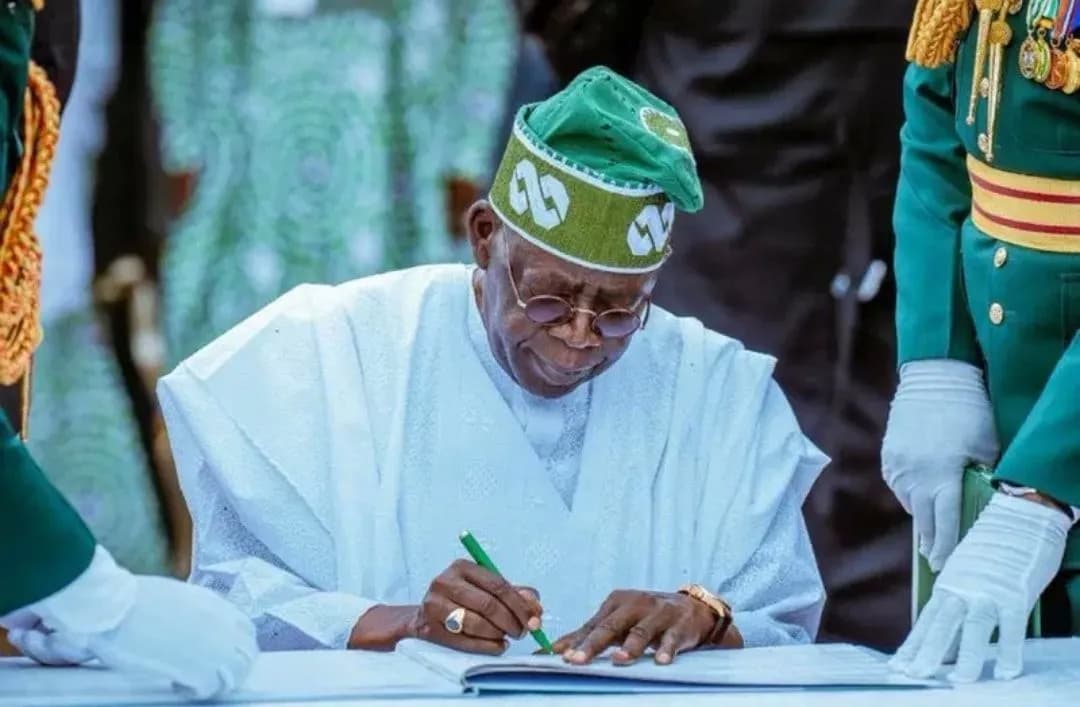
President Bola Tinubu has urged Brazilian oil giant Petrobras to return to Nigeria. He said the company can play a pivotal role in unlocking Nigeria’s vast gas reserves and boosting long-term economic growth.
Tinubu made the appeal on Monday during his state visit to Brazil. He met President Luiz Inácio Lula da Silva at the Planalto Palace in Brasília. The Nigerian leader described Petrobras’s comeback as central to a renewed partnership between Africa’s largest economy and Latin America’s biggest oil producer.
Push for Gas and Energy Cooperation
“We have the largest deposit of gas. I don’t see why Petrobras will not be back in Nigeria as soon as possible,” Tinubu said. He noted that Lula had promised support for the plan. Tinubu stressed that Nigeria’s gas reserves must shift from dormant assets to active commercial use. He warned that “an asset that is not yielding economic benefits is a dead asset.”
Tinubu said discussions went beyond oil and gas. Both leaders explored cooperation on technology transfer, food security, industrial growth, and research. “Africa is a new frontier. The way forward is to embrace technology, scientific development, research, food sovereignty, and manufacturing techniques,” he explained.
MOUs, Manufacturing, and Youth Potential
The visit produced several Memorandums of Understanding (MOUs), signaling immediate steps toward closer ties. Tinubu pointed to Brazil’s pharmaceutical sector as a model for Nigeria. He said local production of generic drugs could benefit from Brazilian expertise.
He also underscored Nigeria’s youthful population as a key driver of growth. “Our youth are restless, energetic, brilliant, and ready to learn. They are prepared to work and exchange ideas,” he said.
Reform Agenda and Economic Renewal
Tinubu highlighted progress from the reforms he introduced since taking office. He admitted the early phase was painful but said results are now visible. “We have more money in the economy. Corruption has ended. Our currency market is open for businesses,” he declared.
Aviation, Connectivity, and Culture
Tinubu called for stronger links between Africa and South America. He pointed out the short distance across the Atlantic and said aviation could deepen trade and cultural exchange. During the visit, leaders announced direct flights between Lagos and São Paulo. Lula described the flights as a major step toward a “Cultural Renaissance.”
Brazil Backs Nigeria’s Global Ambitions
Lula reaffirmed support for Nigeria’s global role. He endorsed Nigeria’s bid for G20 membership and a permanent seat on the UN Security Council. He also called for stronger cooperation against drug trafficking and criminal networks. Nigeria, in turn, backed Brazil’s position on Interpol’s executive body.
On climate change, Lula called for joint action. He noted Africa suffers the worst impacts despite contributing the least to emissions. He praised Nigeria’s pledge to protect tropical forests ahead of COP 30.
Shared Future and Values
Both leaders emphasized the strong cultural ties between Nigeria and Brazil. Lula acknowledged the global reach of Nigerian music and culture. He said the agreements signed would “help Africa in mutual respect to accelerate growth and development.”
Tinubu assured that Nigeria’s legislature fully supports the renewed vision. “Brazil and Nigeria are here to grow the economy for the people, by the people, and for the people of the world,” he said.