

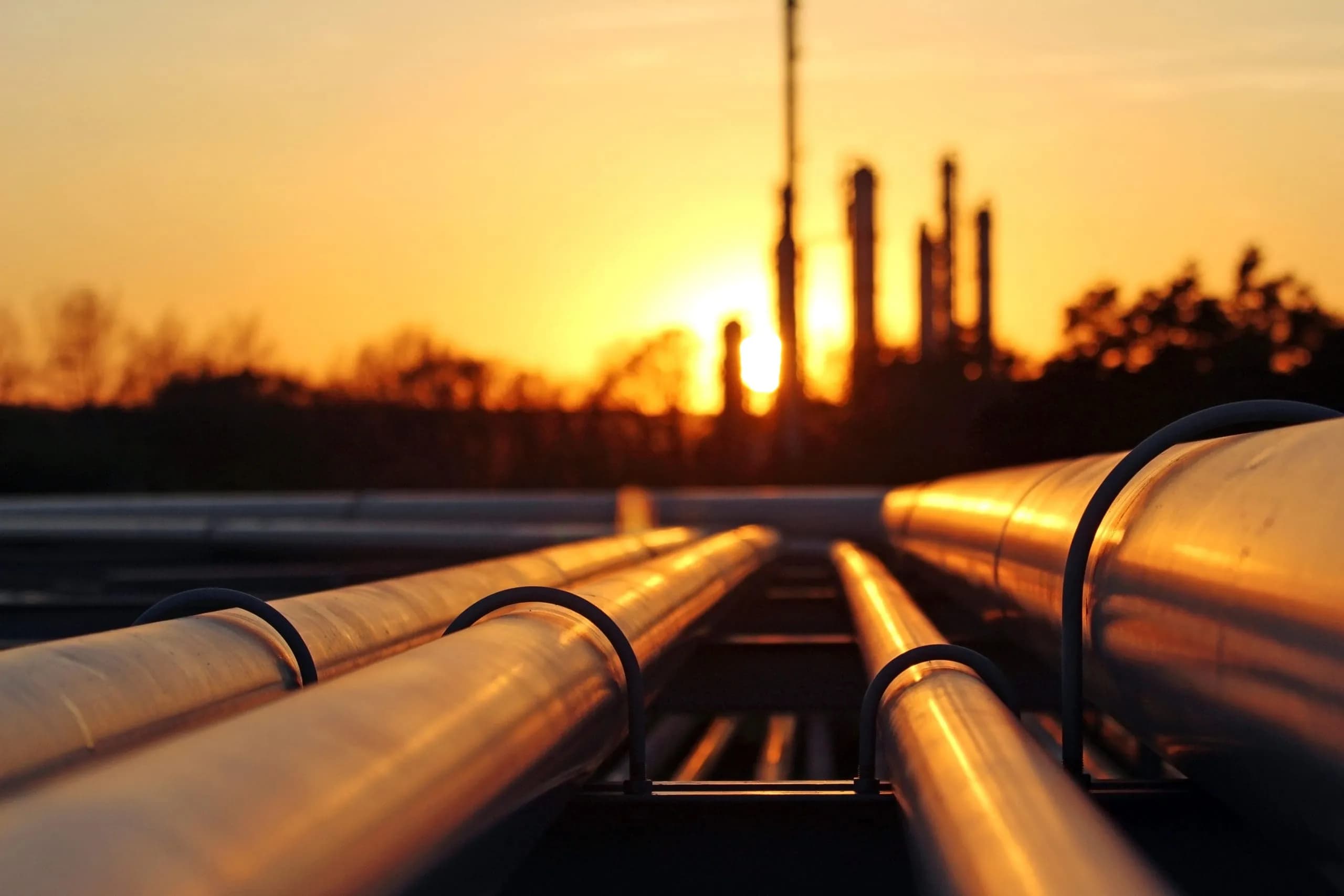
Amid shifting geopolitical alliances, energy trade disputes, and low oil prices, pipelines remain critical arteries in the global oil and gas economy. Building on Alex Kimani’s July 2025 analysis, this refined Top 10 list identifies the most geopolitically and economically significant oil and gas pipelines shaping the energy landscape in 2025. The selection is based on strategic cross-border impact, throughput capacity, market influence, and current political developments.
1. Druzhba Pipeline (Russia–Europe)
- Type: Crude oil | Capacity: 1.2–1.4 million b/d
- Significance: Russia’s Cold War-era export spine remains a strategic lever. Despite EU diversification, disruptions like June’s reduced Kazakh flows reveal its enduring influence. Control over Druzhba grants Russia both economic returns and geopolitical leverage.
2. ESPO Pipeline (Russia–China, Pacific)
- Type: Crude oil | Capacity: Up to 1.6 million b/d
- Significance: Bypassing Western maritime chokepoints, ESPO is Russia’s pivot to Asia. Steady Chinese demand in 2025 shields it from European market volatility, reinforcing Sino-Russian energy interdependence.
3. Nord Stream 1 & 2 (Russia–Germany)
- Type: Natural gas | Capacity: 110 bcm/year (inactive)
- Significance: Still offline post-2022 sabotage, Nord Stream is a symbol of Europe’s past reliance on Russian gas. Its inactivity reshaped EU gas strategy and exposed undersea infrastructure vulnerabilities amid rising U.S.-Russia tensions.
4. Keystone Pipeline (Canada–U.S.)
- Type: Crude oil | Capacity: 590,000 b/d
- Significance: Despite Keystone XL’s cancellation, the pipeline remains key for U.S. refinery feedstock. With U.S. stockpiles down and Permian output waning, Canadian crude via Keystone plays a stabilising role in North American supply chains.
5. BTC Pipeline (Azerbaijan–Turkey)
- Type: Crude oil | Capacity: 1.2 million b/d (design)
- Significance: BTC offers non-Russian Caspian oil access to global markets, reducing regional dependence on Moscow. Amid weak oil prices, its strategic routing through Turkey gains more relevance in Europe’s diversification plans.
6. TANAP (Turkey–Europe)
- Type: Natural gas | Capacity: 16–31 bcm/year
- Significance: Key to the Southern Gas Corridor, TANAP boosts Europe’s non-Russian gas access. In July 2025, Libya’s U.S.-backed $235m gas infrastructure upgrade mirrored TANAP’s value in securing diversified energy corridors.
7. Iraq–Turkey Pipeline (Kirkuk–Ceyhan)
- Type: Crude oil | Capacity: 500,000–600,000 b/d
- Significance: Offline since 2023 due to a legal dispute, ITP highlights geopolitical fragility in the Middle East. Its absence tightens supply from a volatile region, though current oversupply caps its market impact.
8. Trans Mountain Pipeline (Canada)
- Type: Crude oil | Capacity: ~890,000 b/d
- Significance: Post-expansion, Trans Mountain enables Canadian crude access to Asian markets. Despite underutilisation due to tolls, it remains a hedge against Trump-era U.S. trade tariffs on oil imports.
9. China–Myanmar Pipelines
- Type: Oil (440,000 b/d), Gas (12 bcm/year)
- Significance: Bypassing the Malacca chokepoint, these pipelines secure energy for China’s inland provinces. Their role in China’s Belt and Road underscores Beijing’s bid for energy resilience amid maritime tensions.
10. Yamal-Europe Pipeline (Russia–Europe)
- Type: Natural gas | Capacity: 33 bcm/year
- Significance: Facing 2025 flow disruptions due to Belarus-Russia payment rows, Yamal remains critical. With Nord Stream offline, it supports European gas supply despite eroding dominance under EU sanctions.
Strategic Insight
These pipelines are more than infrastructures they are power tools in energy diplomacy. Russia’s lingering dominance, China’s bypass strategies, and Western diversification efforts converge in this high-stakes energy chessboard. With global demand uncertain and prices depressed, the geopolitical weight of these conduits has never been more decisive.