

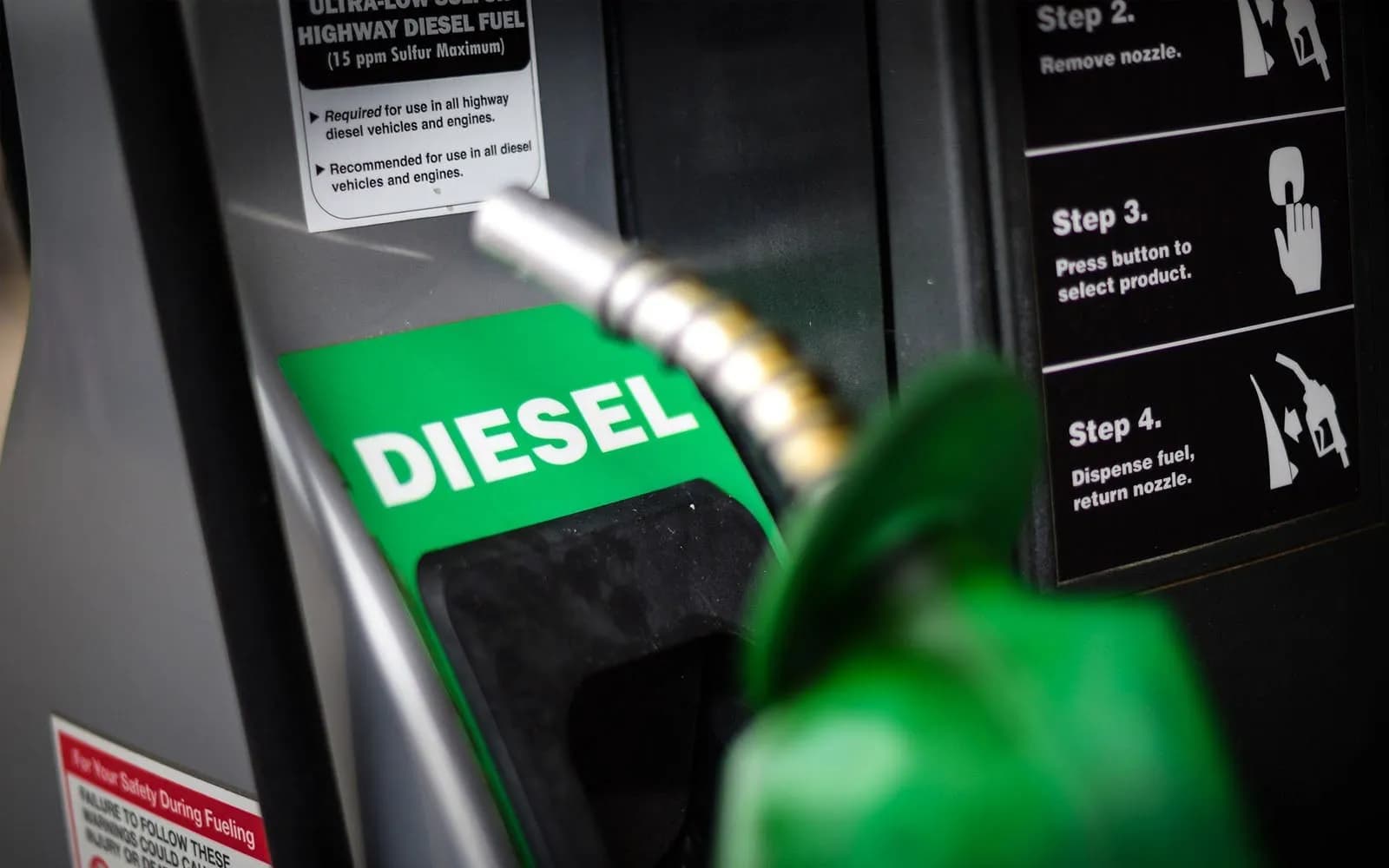
Diesel remains a lifeline for Africa’s economies, powering transport, industry, and small businesses. In February 2026, Global Petrol Prices released data ranking African countries by the lowest diesel pump prices per litre. The results highlight the impact of fuel subsidies, domestic refining capacity, and currency policies across the continent.
Top 10 African Countries With Cheapest Diesel Prices (February 2026)
Libya: $0.024 per litre (₦32 per litre)
Diesel in Libya remains the cheapest in Africa due to heavy government subsidies. The state continues to shield domestic consumers from international oil price volatility, keeping diesel almost free despite global market fluctuations.
Algeria: $0.240 per litre (₦325 per litre)
Algeria maintains structured fuel pricing backed by oil revenues. The government controls distribution and pricing, ensuring diesel remains affordable for transport, industry, and households.
Egypt: $0.374 per litre (₦506 per litre)
Egypt combines state subsidies with energy revenue from domestic oil and gas. While some subsidy reduction has occurred in recent years, diesel remains cheaper than in most Sub-Saharan countries, protecting consumers from global price shocks.
Angola: $0.436 per litre (₦590 per litre)
Angola benefits from domestic crude production and regulated fuel distribution. These factors, along with limited subsidies, allow diesel prices to stay lower than many African nations despite reliance on imports for some refined products.
Tunisia: $0.670 per litre (₦900 per litre)
Tunisia combines modest subsidies with domestic production and government price regulation. This structure ensures diesel remains affordable while maintaining fiscal balance.
Nigeria: $0.670 per litre (₦900 per litre)
Nigeria, Africa’s largest crude producer, enjoys domestic refining capacity and strategic import policies. Diesel affordability is supported by government regulation and partial subsidies, though fluctuating exchange rates can influence final pump prices.
Sudan: $0.710 per litre (₦960 per litre)
Sudan’s diesel pricing is managed through a combination of subsidies and controlled imports. The government keeps prices low to reduce the economic burden on transport and industrial sectors.
Ethiopia: $0.785 per litre (₦1,062 per litre)
Ethiopia relies on imported crude and refined products but offsets costs with government price regulation. Diesel remains relatively cheap to support logistics, agriculture, and energy generation for a growing economy.
Liberia: $0.930 per litre (₦1,258 per litre)
Liberia combines modest subsidies with strategic distribution controls. Diesel affordability helps maintain transport and small-scale industrial activities, essential for economic growth.
Gabon: $1.044 per litre (₦1,414 per litre)
Gabon has a small domestic refining sector but benefits from access to crude. Government subsidies and regulated pricing keep diesel prices manageable despite limited local refining capacity.
Why These Countries Lead in Diesel Affordability
The list confirms three trends:
Oil-Producing Advantage: Countries like Libya, Algeria, Angola, and Nigeria produce crude domestically, reducing reliance on imports.
Government Subsidies: State-backed pricing structures in North Africa and parts of West Africa shield consumers from market volatility.
Currency Stability and Regulation: Diesel affordability is linked to stable local currencies and active government control over imports and distribution.
For Nigeria, diesel at ₦900 per litre remains critical for businesses using generators, transport operators, and small industries, highlighting the economic importance of stable fuel pricing.
The top 10 African countries with the cheapest diesel prices show that subsidies, domestic production, and regulatory frameworks are key to keeping diesel affordable. While low prices ease consumer costs, governments must balance fiscal sustainability with energy accessibility.
As refining capacity grows and policies evolve, African nations could further stabilise diesel prices and reduce reliance on imports, strengthening energy security across the continent.