

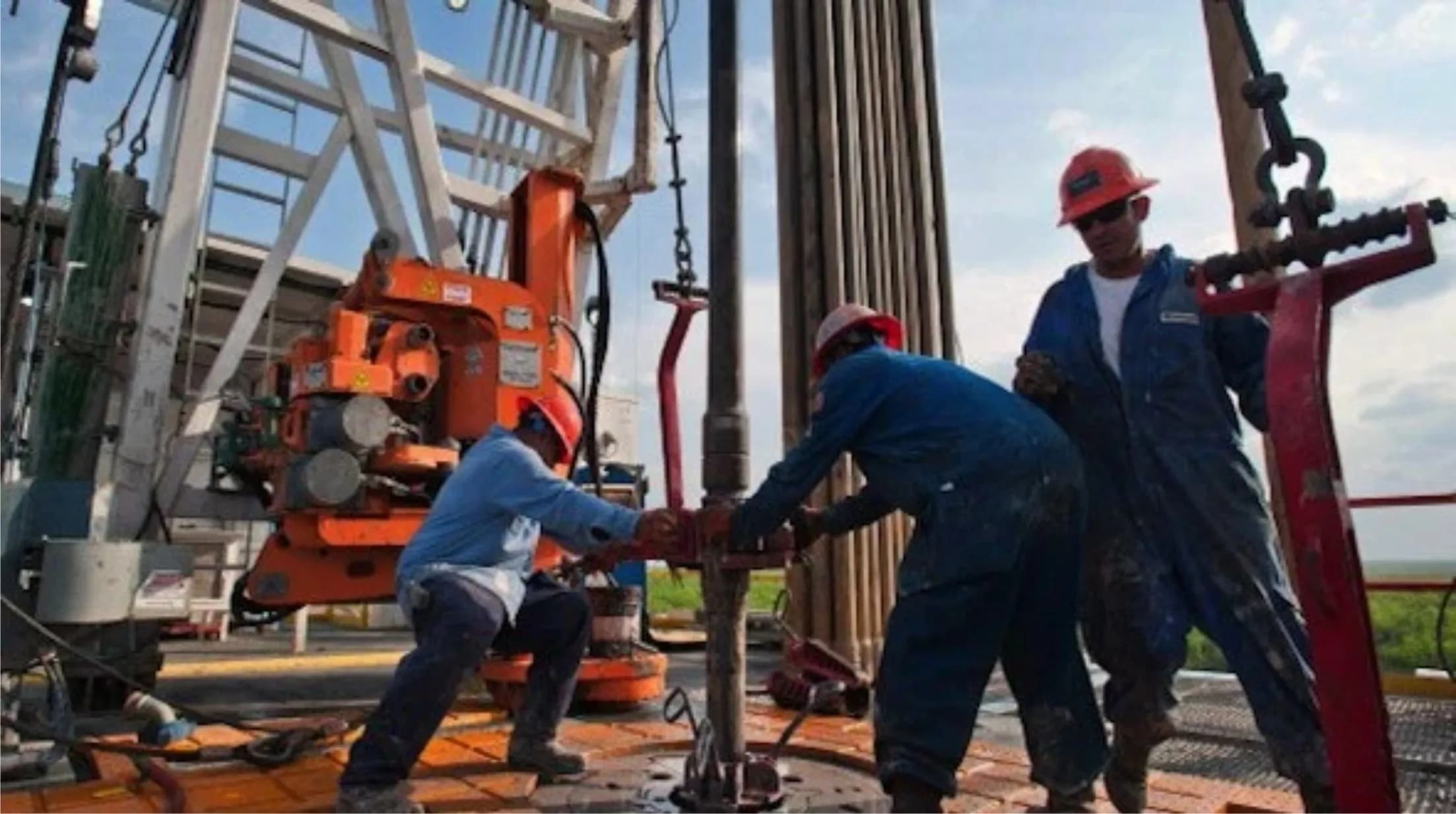
Nigeria depends heavily on crude oil, which brings in most of its export earnings. The Niger Delta remains the main oil-producing region, but other states are starting to contribute. Here’s a look at the top 10 oil-producing states in Nigeria as of March 2025, based on daily crude output.
1. Akwa Ibom – 504,000 barrels per day
Akwa Ibom produces the most oil in Nigeria, making up nearly a quarter of the country’s total output. The state has major offshore oil fields run by ExxonMobil and TotalEnergies. It is also home to the Qua Iboe Terminal, one of the largest crude oil export hubs. However, pollution and demands for more local benefits create challenges for future production.
2. Delta – 346,000 barrels per day
Delta State has a strong oil industry with companies like Shell, Chevron, and Seplat. The Warri and Escravos regions are key production sites. However, pipeline vandalism and oil theft remain serious problems, with criminals stealing 10-20% of output. Investing in better security and modern facilities could improve production.
3. Rivers – 344,000 barrels per day
Rivers State, home to Port Harcourt, is a major oil hub. It has two refineries (though they are not working well) and many oil servicing companies. Its production comes from both land and offshore fields, operated by companies like Nigeria LNG and Agip. However, pollution and social unrest pose risks to the industry.
4. Bayelsa – 290,000 barrels per day
Bayelsa is where Nigeria’s oil industry began in 1956. Today, it produces oil mainly from deepwater fields like Bonga and Egina, run by Shell and TotalEnergies. Although the state is rich in oil, poverty remains high, and its swampy terrain makes it difficult to build infrastructure.
5. Ondo – 60,000 barrels per day
Ondo State is the main oil producer in southwestern Nigeria. Offshore oil fields in the Ilaje area, operated by Chevron and local companies, continue to grow. Unlike the Niger Delta states, Ondo is relatively peaceful, but further investment in offshore drilling could increase production.
6. Lagos – 40,000 barrels per day
Lagos became an oil producer in 2016 with the Aje Field offshore. Yinka Folawiyo Petroleum and its partners operate the site. While Lagos has strong shipping and port infrastructure, its oil output remains small. Further exploration and investment are needed for growth.
7. Edo – 33,000 barrels per day
Edo State has onshore oil fields in Oredo and offshore prospects. The state has fewer security problems than the core Niger Delta, but weak pipeline networks and limited funding slow down progress. Public-private partnerships could help expand production.
8. Imo – 17,000 barrels per day
Imo State has oil deposits in the Oguta and Egbema areas. Companies like Addax Petroleum operate here. The state also has large gas reserves that could attract investors. However, land disputes and environmental concerns make expansion difficult.
9. Abia – 11,000 barrels per day
Abia’s oil production mainly comes from the Ukwa West fields, where Shell and local operators are active. The state has potential for growth but needs better equipment and more exploration. The government hopes to attract more investment to boost production.
10. Anambra – 3,000 barrels per day
Anambra started producing oil commercially in 2022. Its production is still small, but the state has over 1 trillion cubic feet of natural gas reserves, which could become a major source of energy. However, infrastructure and regulatory delays slow down progress.
Key Challenges and Opportunities
Nigeria produces between 1.5 to 2 million barrels of oil per day, but oil theft, lack of investment, and the shift to renewable energy pose challenges. The Petroleum Industry Act (PIA) offers new policies to improve regulation and encourage local development. States like Ondo and Lagos could expand offshore production, while gas-rich states like Anambra and Imo may focus more on natural gas.
For now, oil remains the backbone of Nigeria’s economy, but the country must address security risks, environmental damage, and global energy changes to stay competitive.