

In Nigeria, kerosene has long been a primary cooking fuel for many households. However, its usage presents significant health hazards and economic challenges, prompting a nationwide shift towards cleaner alternatives like liquefied petroleum gas (LPG).
Health and Environmental Concerns
Cooking with kerosene exposes individuals to harmful pollutants, increasing the risk of respiratory diseases and cardiovascular issues. A study published in 2020 found that households primarily using kerosene for cooking had higher incidences of all-cause mortality, major cardiovascular events, and respiratory diseases compared to those using cleaner fuels.
Additionally, kerosene usage contributes to indoor air pollution, leading to approximately 79,000 premature deaths annually in Nigeria.
Economic Implications
Despite government subsidies, kerosene remains costly for many families. An average household spending about ₦20,500 monthly on 30 litres of kerosene could reduce expenses by switching to LPG, which costs approximately ₦13,000 for a 12kg cylinder.
Shift to Cleaner Alternatives
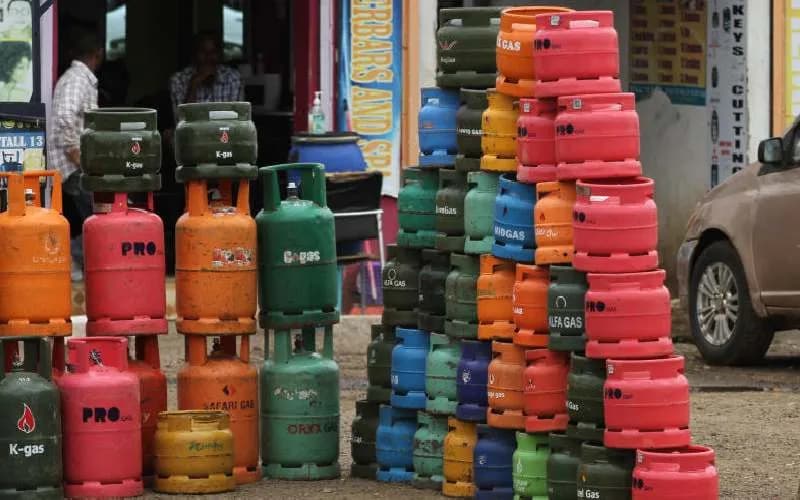
Recognising these challenges, the Nigerian government has initiated policies to promote LPG usage. The ‘Switch to LPG Initiative’ aims to distribute over 20 million gas cylinders to households within five years, making cleaner cooking fuels more accessible and affordable.
This transition not only alleviates health risks but also offers economic benefits by reducing household fuel expenditures. Furthermore, increased LPG adoption can mitigate environmental degradation caused by deforestation, as fewer families rely on firewood and charcoal.
The move from kerosene to gas in Nigerian households signifies a positive development towards improved public health, economic savings, and environmental sustainability. Continued government support and public awareness are essential to accelerate this transition and ensure its benefits reach all segments of society.