

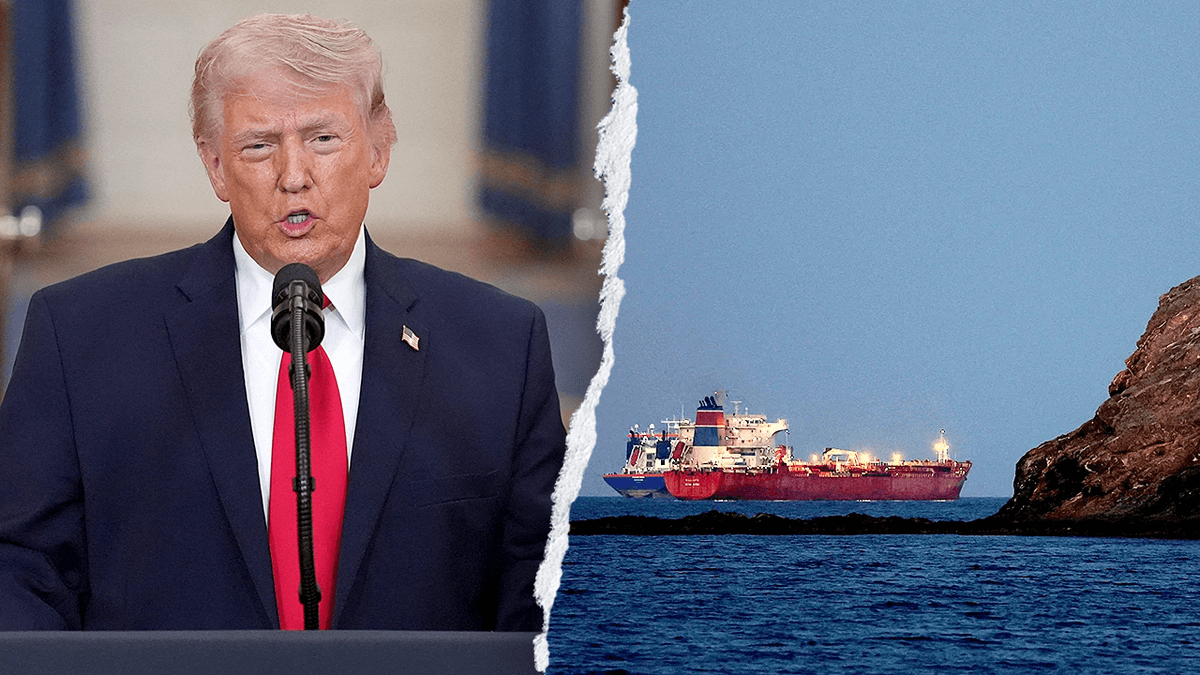
US President Donald Trump has said the war with Iran is expected to end soon, as Qatari mediators returned to Tehran on Friday to push for an agreement between Washington and Tehran amid escalating attacks on commercial vessels in the Strait of Hormuz.
Trump made the statement during an interview with Kansas City radio station KCMO, saying the conflict would be “wrapped up soon” without providing details of how or when it could end. He added that the United States wanted guarantees that Iran would never develop a nuclear weapon.
Qatari officials returned to Iran to present amendments to a proposed peace agreement aimed at ending the conflict. A source familiar with the discussions told CBS News that the delegation was conveying the latest changes to a draft proposal, with indications of progress in the negotiations.
However, tensions remain high around the Strait of Hormuz, where Iran’s Revolutionary Guards claimed that a supertanker carrying more than two million barrels of oil caught fire after striking a naval mine while using what Tehran described as an unauthorised route. Iranian state media also reported that three other tankers had caught fire in separate incidents. The claims could not be independently verified.
Oman’s authorities confirmed that 25 crew members were evacuated from a Panama-flagged commercial vessel after it was attacked and caught fire off the Musandam coast. The UK Maritime Trade Operations centre also reported that another vessel was struck by an unidentified projectile south of Iran’s Lavan Island. Its crew was reported safe.
The UKMTO said October recorded more than 30 reported attacks in and around the Strait of Hormuz, the Gulf of Oman and the Persian Gulf, making it the month with the highest number of reported incidents since the war began on February 28. The agency has recorded 145 incidents since the conflict started.
Despite the reports, US Central Command chief Admiral Brad Cooper maintained that the southern commercial shipping routes through the Strait of Hormuz had been cleared of Iranian mines and remained safe for navigation. He said US forces had helped Gulf partners export more than 1.5 billion barrels of crude oil since the summer.
The conflicting positions of Washington and Tehran continue to create uncertainty for shipping operators and energy markets. While the US insists that the main shipping routes are open, Iran maintains that vessels using the southern passage without its authorisation face risks.
For the global oil market, the security of the Strait of Hormuz remains critical because of its importance to international crude oil and petroleum product shipments. Any prolonged disruption could delay exports, increase shipping and insurance costs and intensify volatility in energy prices.