

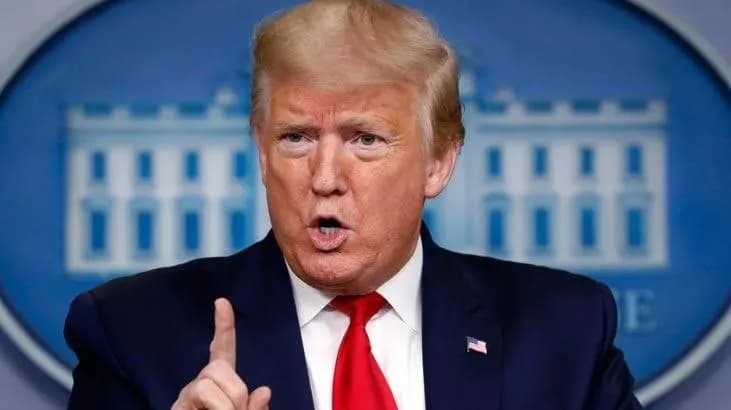
Goldman Sachs analysts have concluded that former U.S. President Donald Trump prefers crude oil prices in the $40 to $50 per barrel range. The insight comes from an analysis of his extensive social media activity, where he frequently commented on oil prices and energy policy.
According to the Goldman report, Trump’s inclination for lower oil prices is reflected in his online posts. “The president’s inferred preference for WTI appears to be around $40 to $50 a barrel, where his propensity to post about oil prices bottoms,” the analysts stated. Trump, who has made nearly 900 posts about oil and energy, has long emphasized U.S. energy dominance.
Oil Prices Rise Amid US-China Trade Progress
As of now, oil prices are trading higher. Brent crude is over $66 per barrel, while West Texas Intermediate (WTI) is around $63, buoyed by recent progress in U.S.-China trade negotiations. The easing of tariff tensions between the two economic giants has improved market sentiment, sparking optimism over a potential rise in global oil demand.
Despite the current price rally, analysts expect a significant build in U.S. crude oil inventories. The American Petroleum Institute (API) recently estimated a 4.3 million-barrel increase, and traders anticipate the Energy Information Administration (EIA) will confirm this trend.
Conflict Between Policy Goals and Oil Industry Needs
Goldman Sachs also noted a potential clash between Trump’s push for lower gasoline prices and the economic requirements of U.S. shale drillers. The report highlights that Trump often praised falling oil prices when WTI exceeded $50 per barrel. Conversely, during price drops below $30, he advocated for higher prices to support domestic production.
Industry experts argue that oil prices below $50 per barrel are unsustainable for most U.S. shale producers. Maintaining drilling activity at these levels is challenging, raising concerns about long-term production viability if prices fall within Trump’s preferred range.
This conflict illustrates the balancing act between consumer-friendly fuel pricing and sustaining the economic health of America’s energy sector, a core group of Trump’s traditional supporters and political donors.