

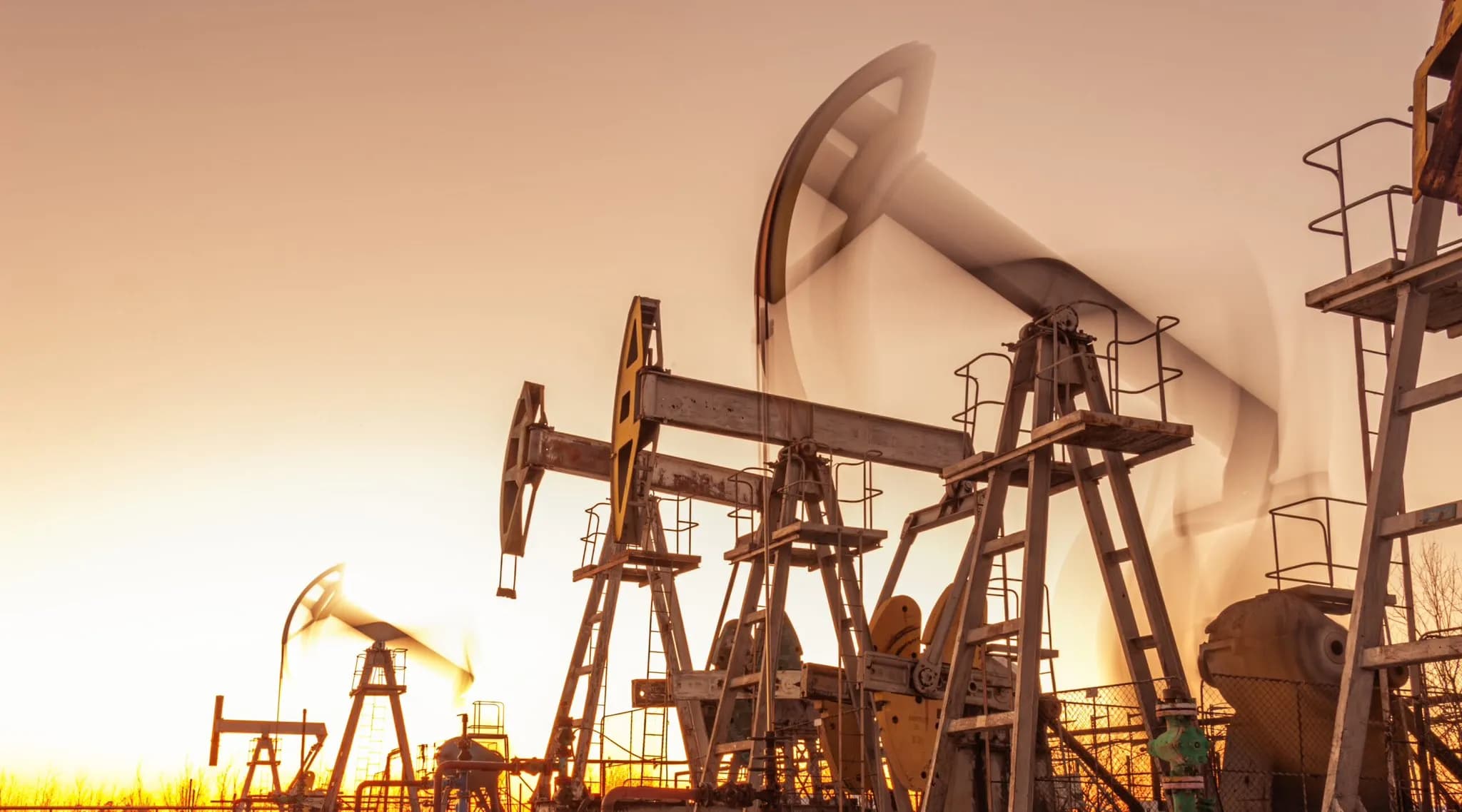
Lagos State may soon strengthen its position as a refining hub in Nigeria’s oil and gas sector. Two companies, Mid Oil and South Atlantic Petrochemical Company, have submitted proposals to establish refineries with a combined production capacity of 200,000 barrels per day (bpd). These refineries are planned for Ejinrin and Badagry, two locations with strategic potential for petroleum operations in the state.
Regulatory Approvals in Progress
The two firms have already received approval from the Department of Petroleum Resources (DPR), a crucial step towards realising their projects. The focus now shifts to the Lagos State Government, where the Ministry of Energy and Mineral Resources is conducting a detailed review of their proposals. The review process emphasises the importance of Environmental Impact Assessments (EIA) to mitigate potential risks.
Given the environmental degradation caused by decades of oil production in the Niger Delta, the Lagos State Government is prioritising ecological safeguards. Officials are committed to learning from past mistakes to ensure that the proposed refineries operate sustainably.
Strategic and Economic Significance
If these projects gain approval, Lagos would become home to three major refineries, including the Dangote Refinery, which commenced operations earlier in 2024. The new refineries, coupled with the Dangote Refinery’s 650,000 bpd capacity, would elevate Lagos to a leading position in petroleum refining in Nigeria.
This development would also address Nigeria’s heavy dependence on imported petroleum products. By boosting local refining capacity, the country could save foreign exchange, stabilise fuel prices, and improve energy security. The proposed refineries could also generate substantial economic benefits, including job creation, increased tax revenue, and business opportunities in related industries.
Environmental and Social Concerns
While the economic benefits are promising, stakeholders have raised concerns about the environmental implications of hosting multiple refineries in Lagos. The Lagos State Government has pledged to hold the companies accountable for managing emissions, preserving water and soil quality, and ensuring that nearby communities are not adversely affected.
Additionally, the companies must engage with local communities to build trust and address potential socio-economic disruptions. Transparent communication and community-driven initiatives will be key to securing public support for the projects.
Challenges to Overcome
The success of these refinery projects will depend on resolving several critical issues:
- Funding and Execution: Building and operating 100,000-bpd refineries require significant financial resources and technical expertise.
- Infrastructure: Supporting infrastructure, such as pipelines, storage facilities, and transportation networks, must be developed to handle increased production.
- Regulatory Compliance: Companies must adhere to stringent regulations to avoid project delays and penalties.
Outlook and Next Steps
The Lagos State Government is expected to announce its decision on the proposals in early 2025. If approved, the projects could commence construction later that year, with operations likely to begin within three to four years.
This move represents a step forward in Nigeria’s drive to increase local refining capacity. The proposed refineries, alongside the operational Dangote Refinery, could transform Lagos into a key player in regional and global energy markets.
For Nigeria, these developments signal progress towards reducing its reliance on imported fuels while addressing the domestic demand-supply gap. However, the ultimate success of these projects will rest on sustainable practices, community engagement, and efficient execution.