

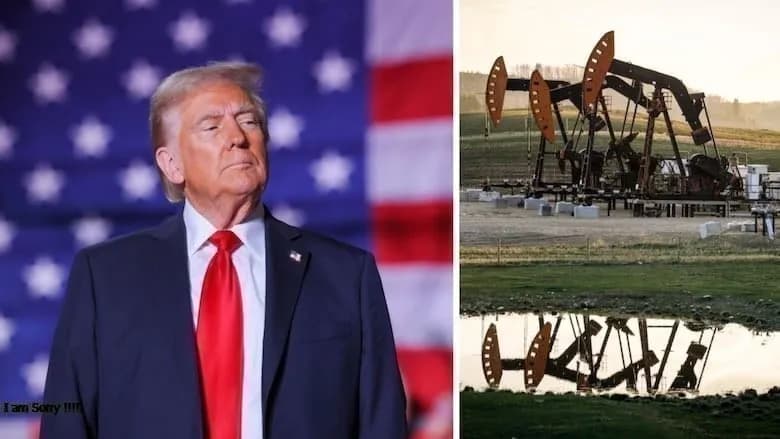
The United States is weighing a new round of oil-related sanctions against Russia if President Vladimir Putin rejects a proposed peace agreement aimed at ending the war in Ukraine, according to sources familiar with the discussions. The potential measures underscore Washington’s readiness to escalate economic pressure on Moscow as diplomacy reaches a critical stage.
Washington Signals Tougher Stance on Russian Exports
U.S. officials are reportedly preparing additional sanctions that would further restrict Russia’s ability to export crude oil if negotiations fail. The proposed actions could target more vessels linked to Russia’s so-called shadow fleet, as well as traders and intermediaries accused of facilitating oil shipments outside existing restrictions.
These measures would build on earlier sanctions that disrupted global oil trade flows by designating major Russian producers and exporters. Those actions forced key buyers, particularly in Asia, to seek alternative supplies and compelled shipping firms and insurers to reassess their exposure to sanctioned cargoes.
Peace Talks Advance, but Key Disputes Remain
The sanctions warning comes amid signs of progress in U.S.-brokered peace talks involving Ukraine, with recent discussions held in Berlin. Washington is said to be offering Kyiv security guarantees modeled on NATO’s Article 5 mutual defense principle, a move aimed at reassuring Ukraine while encouraging a negotiated settlement.
However, fundamental disagreements persist. Russian demands over occupied territories remain unresolved, and Moscow has previously rejected draft proposals that do not align with its territorial claims. President Donald Trump is reportedly pushing for a breakthrough agreement before Christmas, increasing pressure on all sides to reach a decision.
Sanctions as Leverage, Not an Endgame
U.S. officials view the threat of expanded sanctions as leverage rather than a foregone conclusion. By signaling readiness to act, Washington aims to influence Russia’s calculus without immediately destabilising global energy markets.
The Kremlin has criticised the approach, warning that sanctions undermine diplomatic relations and complicate negotiations. Still, U.S. policymakers appear prepared to move swiftly should talks collapse, with announcements possible within days.
As diplomacy enters a decisive phase, the prospect of tougher oil sanctions has become a central pressure point, one that could reshape both geopolitical relations and the structure of Russia’s energy exports if triggered.