

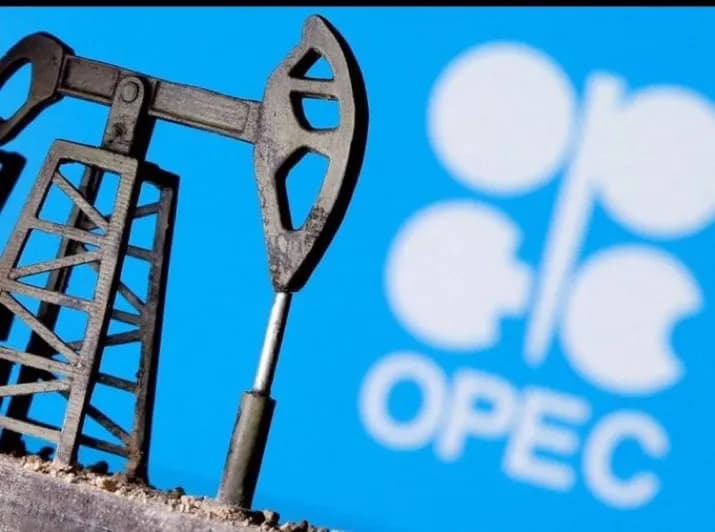
The United Arab Emirates has announced it will withdraw from the Organization of the Petroleum Exporting Countries (OPEC) and its extended alliance, OPEC+, effective May 1, 2026, marking a significant shift in global oil policy by one of the group’s key producers.
The decision follows nearly six decades of membership and comes amid heightened volatility in global energy markets. Authorities said the move was driven by a comprehensive review of production policies, capacity outlook, and long-term economic priorities, with a renewed focus on national interest.
According to official statements, the exit is intended to provide greater flexibility in managing oil output and responding to evolving market conditions. The government noted that the policy shift aligns with its broader strategy to expand domestic energy production while maintaining competitiveness in global markets.
The development also unfolds against a backdrop of ongoing disruptions in the Arabian Gulf, particularly constraints around the Strait of Hormuz, a critical route for global oil shipments. Despite these uncertainties, the UAE stated that long-term global energy demand remains robust, requiring stable and adaptable supply systems.
Officials emphasised that the withdrawal does not signal a retreat from international cooperation. Instead, the country said it would continue engaging with both producers and consumers to support market stability while independently managing its production strategy.
The UAE joined OPEC in 1967 and has since played a central role in coordinating output policies among member states. Its departure reflects what authorities described as an evolution in policy direction, aimed at enhancing responsiveness to market dynamics and strengthening alignment with domestic economic objectives.
Energy Minister Suhail Mohamed al-Mazrouei said the decision followed a detailed assessment of current and future production strategies, adding that it was taken independently without prior consultation with other member countries.
The announcement also comes amid regional tensions linked to the ongoing Middle East conflict, including reported disruptions to oil flows and security concerns affecting Gulf producers. Analysts note that these developments have contributed to rising oil prices and increased uncertainty across energy markets.
In outlining its post-OPEC strategy, the UAE indicated plans to scale up investment across the energy value chain, including oil, gas, renewables, and lower-carbon technologies. The approach is aimed at strengthening long-term resilience while supporting global energy transition efforts.
While expressing appreciation for its role within OPEC and OPEC+, the UAE reiterated that future policy decisions will prioritise domestic economic interests, as well as commitments to investors and global energy partners.
The exit represents one of the most notable structural shifts within the oil producers’ alliance in recent years and is expected to influence market dynamics as producers adjust to changing geopolitical and supply conditions.