

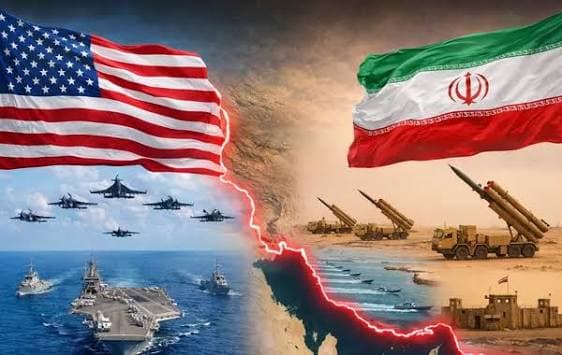
The conflict between the United States and Iran has entered a more dangerous phase following a fresh exchange of missile attacks and airstrikes across the Gulf, heightening concerns over global oil supplies and keeping crude prices elevated.
As at the time of writing 09:00 pm (WAT), Brent crude was trading at $89.27 per barrel, up 1.33 per cent, while West Texas Intermediate (WTI) stood at $82.74 per barrel, gaining 1.17 per cent. Murban crude was trading at $82.25 per barrel, up 1.14 per cent.
The renewed escalation follows another round of United States airstrikes targeting Iranian military positions, with Washington saying the operations were aimed at weakening Tehran's ability to threaten vessels passing through the Strait of Hormuz, the strategic waterway through which roughly one-fifth of global oil shipments pass.
The latest military action came after the United States confirmed fresh combat casualties among its troops in Jordan. According to the US Central Command (CENTCOM), two service members were killed during defensive operations, while unidentified human remains recovered at the attack location are being examined, raising fears that the number of fatalities could increase.
Iran's Islamic Revolutionary Guard Corps (IRGC) said it retaliated by launching ballistic missiles at United States military facilities in Jordan, Kuwait and Syria. Air raid sirens were also activated in Bahrain, home to the US Fifth Fleet, underscoring the widening security risks across the Gulf.
Although Iranian officials disclosed that indirect diplomatic communications with Washington remain ongoing through international mediators, the continued exchange of military attacks has raised fresh doubts about the prospects for a near-term de-escalation.
The renewed hostilities have reinforced fears of potential disruptions to crude exports from the Middle East, particularly if tensions further threaten shipping through the Strait of Hormuz. The heightened geopolitical risk has already injected a stronger risk premium into global oil markets, supporting Brent above the $89 per barrel level.
For Nigeria, the developments are likely to have immediate implications for the downstream petroleum market. Higher international crude prices typically translate into increased fuel import costs and higher replacement values for marketers, placing additional pressure on domestic petrol pricing despite improved local refining capacity.
With no clear signs of an immediate resolution, market participants are expected to continue monitoring military developments across the Gulf, as any further disruption to regional oil infrastructure or shipping routes could push crude prices even higher in the coming days.