

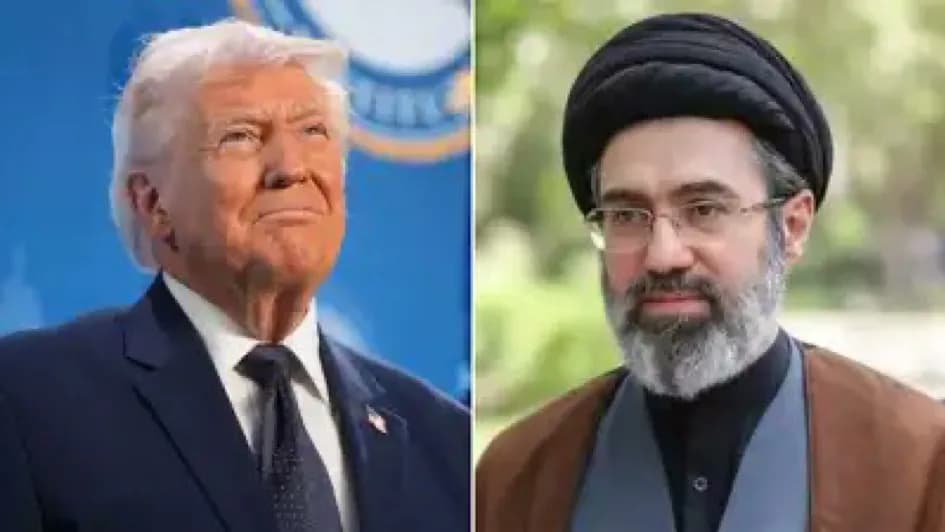
Donald Trump says the United States and Iran have largely agreed on the framework of a proposed Memorandum of Understanding that could reopen the Strait of Hormuz, ease regional hostilities and trigger a broader diplomatic process focused on Tehran’s nuclear programme and Middle East security.
Trump announced the development on Saturday after holding discussions with several regional leaders and separate talks with Benjamin Netanyahu, stating that only final aspects of the arrangement remained under negotiation before a formal announcement.
According to details emerging from regional diplomatic sources and officials familiar with the talks, the proposed understanding is expected to include measures aimed at reducing tensions across several conflict fronts in the Middle East, including Lebanon, while establishing a phased political and security arrangement between Washington and Tehran.
A major component of the negotiations centres on the reopening of the Strait of Hormuz, one of the world’s most strategically important oil shipping corridors through which a large share of global crude exports passes daily.
Trump stated that the waterway would reopen under the proposed arrangement, a move being closely monitored across global energy markets because of its implications for oil supply flows and shipping stability.
However, Iranian state-linked media disputed suggestions that the strait would return to unrestricted international access.
Iran’s state-affiliated Fars News Agency reported that maritime operations under the proposed arrangement would remain under Iranian management and oversight, adding that shipping traffic could return to pre-conflict levels without restoring completely unrestricted passage.
Sources familiar with the negotiations said the draft memorandum also includes provisions involving the release of billions of dollars in frozen Iranian assets held overseas, alongside discussions surrounding sanctions relief and the gradual easing of restrictions affecting Iranian oil exports and shipping operations.
The framework is also reported to include the phased removal of elements of the American naval blockade affecting Iranian ports, potentially allowing Iran to resume broader crude oil and fuel exports into international markets.
Another significant aspect of the negotiations involves the future of American military deployment across parts of the Middle East.
Regional sources indicated that the proposed arrangement could involve the reduction or withdrawal of substantial portions of U.S. military forces stationed within the region as part of a wider de-escalation framework.
According to officials familiar with the process, the agreement is expected to unfold in stages.
The first phase would focus on easing active hostilities, stabilising shipping activity through the Strait of Hormuz and securing preliminary assurances from Iran regarding its nuclear programme and regional security posture.
A second phase, expected to run between 30 and 60 days, would involve broader negotiations over Iran’s uranium stockpiles, enrichment activities, sanctions structures and other unresolved geopolitical issues between both countries.
Iranian Foreign Ministry officials confirmed that draft timelines had been incorporated into the proposed text, although they stressed that negotiations were still ongoing and no final agreement had yet been concluded.
The latest diplomatic developments follow months of escalating tensions involving the United States, Iran and Israel, alongside growing concerns over potential disruptions to global oil supply chains and Gulf energy exports.
Regional mediation efforts intensified in recent days through diplomatic engagement involving Pakistan, Qatar, Saudi Arabia and other Gulf states seeking to prevent a broader regional conflict.
Shehbaz Sharif described recent diplomatic engagements as constructive and expressed support for continued negotiations between Washington and Tehran.
Similarly, Recep Tayyip Erdogan welcomed progress in the discussions, while officials in Egypt urged all parties to sustain diplomatic engagement and work toward a formal settlement.
Despite signs of progress, Trump maintained that the arrangement remained subject to final approval and warned that military escalation remained possible if negotiations collapsed.
Before the latest diplomatic contacts, the U.S. president had described the chances of reaching an agreement as “50/50” and indicated that Washington could still resume military action if discussions failed.
The proposed framework has also generated mixed reactions within the United States and Israel.
Some American lawmakers and former officials expressed concern that an interim arrangement could ease pressure on Tehran without fully resolving concerns surrounding Iran’s nuclear programme and enriched uranium stockpiles.
Israeli officials were also reported to be closely monitoring the negotiations amid concerns that a phased agreement could prioritise ceasefire arrangements and maritime access before fully addressing Iran’s long-term nuclear capabilities.
Iranian negotiators, meanwhile, reiterated that Tehran would not compromise on what it described as sovereign rights and national security interests.
Mohammad Bagher Ghalibaf warned that Iran remained prepared to respond forcefully to any renewed military escalation despite ongoing diplomatic efforts.
The negotiations are being closely watched by governments, investors and energy traders worldwide because of their potential impact on global crude oil supply, shipping security, regional stability and international energy prices.