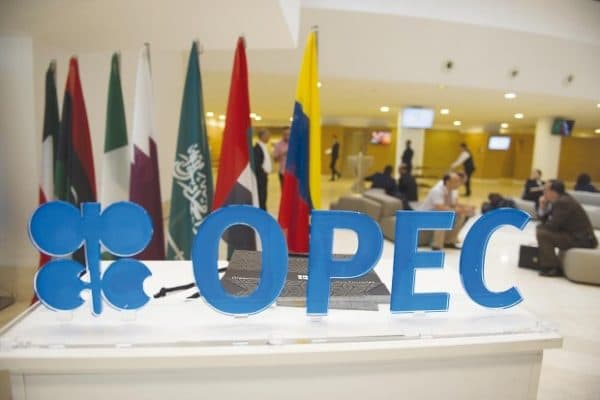
The Trump Administration reportedly sought to weaken OPEC’s influence over oil production by encouraging Iraq and Venezuela to withdraw from the organisation, as Washington pushed for higher output from the two founding members without restrictions imposed by the cartel.
Reuters reported on Friday, citing multiple sources familiar with the discussions, that U.S. officials made the approach early in 2026, arguing that OPEC and the wider OPEC+ production agreements could constrain efforts by both countries to expand their oil supplies.
Neither Iraq nor Venezuela has accepted the proposal so far, despite pressure from Washington.
In Venezuela’s case, the U.S. has exercised significant influence over the country’s oil industry following the capture of President Nicolas Maduro in early January. Venezuelan state funds have also been held in an account under U.S. control since his removal.
The pressure reportedly extended to the country’s financial obligations to OPEC, with U.S. authorities preventing Venezuela from paying its membership dues, according to Reuters’ sources.
The campaign to secure Venezuela’s departure from the organisation also prompted diplomatic intervention from Saudi Arabia. Crown Prince Mohammed bin Salman, whose country is OPEC’s largest producer and de facto leader, reportedly urged the Trump Administration during the summer to stop pursuing the issue, two sources told Reuters.
In Iraq, the proposal emerged after Prime Minister Ali Faleh al-Zaidi held discussions with U.S. officials during the summer. The American officials encouraged him to consider withdrawing the country from the oil producers’ group.
However, Iraq’s Ministry of Oil opposed the move and persuaded the prime minister to retain the country’s OPEC membership. Rather than leaving the organisation, the ministry urged Baghdad to pursue a higher production allocation within the group, according to two Reuters sources.
The disagreement comes as Iraq seeks to secure greater recognition of its oil production capacity, which would influence the baseline used to determine its future OPEC production quotas and any supply reductions.
Since September, Baghdad has been pushing for a substantial upward revision of OPEC’s assessment of its sustainable production capacity.
Ahead of OPEC’s November 29 meeting to review members’ production capacities and establish quotas for 2027, Iraq has rejected an OPEC+ assessment that places its sustainable output below five million barrels per day.
The country is instead seeking recognition of a production capacity of approximately six million barrels per day, a position that could strengthen its case for a larger production quota.
Iraq and Venezuela are among OPEC’s five founding members, making Washington’s reported effort to secure their withdrawal a significant development for the organisation and its influence over global oil supply.