

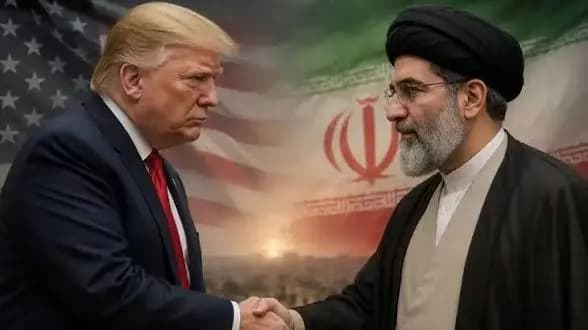
The United States has temporarily authorized the sale and export of Iranian crude oil and petroleum products as part of ongoing efforts to secure a broader peace agreement with Tehran and guarantee uninterrupted shipping through the Strait of Hormuz.
The move, announced on Monday by the U.S. Treasury Department, grants a 60-day licence allowing Iran to produce, transport and sell crude oil, petroleum products and petrochemicals until August 21, 2026. The decision marks one of the most significant relaxations of U.S. sanctions on Iran in decades and comes amid diplomatic negotiations aimed at resolving longstanding disputes over regional security and Iran's nuclear programme.
According to Reuters, the temporary authorization forms part of commitments contained in a memorandum of understanding signed between Washington and Tehran last week.
Under the arrangement, Iran agreed to permit inspections by the International Atomic Energy Agency (IAEA) and support free and open transit through the Strait of Hormuz, one of the world's most critical energy corridors.
U.S. Treasury Secretary Scott Bessent said the sanctions relief was linked to progress made during ongoing negotiations in Switzerland.
"In line with the ongoing productive talks in Switzerland, Iran has committed to free and open transit in the Strait of Hormuz and to permit International Atomic Energy Agency inspectors into their country," Bessent said in a statement cited by Reuters.
The Treasury licence authorizes transactions involving Iranian crude oil, petroleum products, petrochemicals, transportation services, insurance and associated banking arrangements during the temporary period.
The development represents a notable shift in U.S.-Iran relations after decades of sanctions that began following the 1979 Iranian Revolution and expanded over concerns about Tehran's nuclear activities and regional influence.
The decision comes as negotiators from both countries continue discussions aimed at converting the current ceasefire framework into a longer-term peace agreement.
Mediators involved in the talks said progress had been made during the first round of negotiations, with discussions focusing on nuclear oversight, regional security issues and maritime access through the Strait of Hormuz.
The waterway remains central to global energy markets because it serves as the primary export route for crude oil and liquefied natural gas produced across much of the Middle East.
Concerns over disruptions in Hormuz earlier this year contributed to significant volatility in global oil markets after tensions between Iran, the United States and Israel escalated.
However, crude prices have retreated sharply in recent weeks following the ceasefire framework and growing expectations that normal shipping activity through the strait will continue.
The temporary sanctions waiver also reopens legal channels for Iranian crude exports to international buyers. Prior to the reimposition of U.S. sanctions in 2018, major purchasers of Iranian crude included India, South Korea, Japan, Turkey, Greece and Italy, while independent Chinese refiners have remained among the largest buyers of Iranian oil under sanctions regimes due to discounted pricing.
The U.S. Treasury said the licence excludes transactions involving Cuba, North Korea and Crimea.
The sanctions relief will remain subject to review before its August expiry date, with future extensions likely to depend on the progress of negotiations and compliance with commitments made under the current framework.
Market participants are expected to closely monitor developments in Switzerland, as the outcome of the talks could influence future Iranian oil exports, regional stability and global crude oil supply balances.