

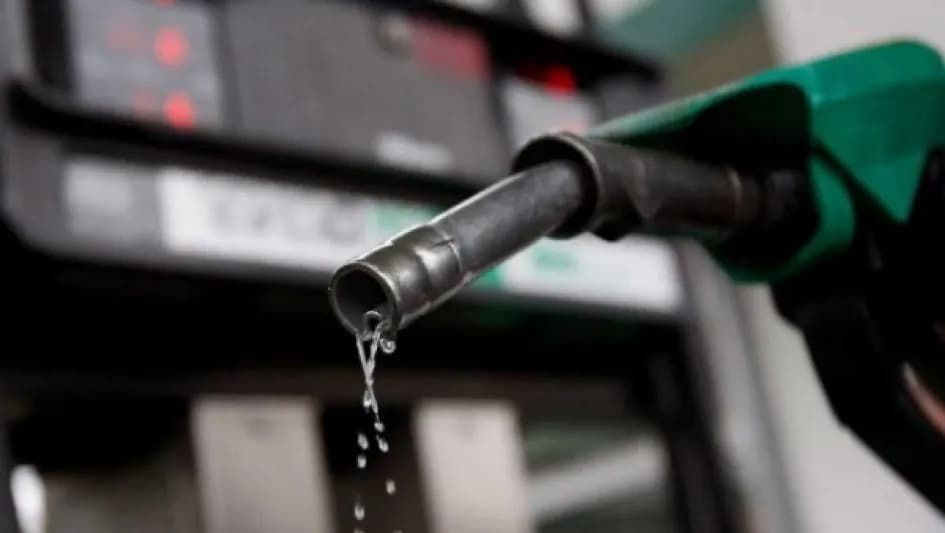
Unlock why Venezuela diesel is $0.004 the cheapest in the world. On 25 August 2025 the pump price for diesel in Venezuela was reported at 0.100 Venezuelan bolívar per litre (USD 0.004 / EUR 0.004) a tiny fraction of the world average for the period (29.28 VEF per litre).
Price snapshot
Reported retail price (25-Aug-2025)
- Venezuela: 0.100 VEF / litre: USD 0.004 / litre (≈ USD 0.015 per gallon).
For context, the site that records international pump prices shows the world average at about 29.28 VEF per litre for the same reporting window. Those comparative metrics underline why Venezuela sits at the bottom of global diesel price tables.
Why the price is so low: policy, not market cost
At root, Venezuela’s rock-bottom diesel retail price is a product of deliberate policy, not cheap production. The state long ago fixed domestic fuel prices far below supply and international market costs through heavy explicit and implicit subsidies and rigid price controls. In practice, the state (via PDVSA and oil ministry directives) sets retail tariffs and absorbs much of the gap between international costs and what motorists pay. That policy architecture keeps the headline consumer price near zero in real-terms.
The mechanics: exchange rates, price controls and parallel systems
Two technical levers magnify the apparent bargain. First, Venezuela’s exchange-rate volatility and multiple official/parallel rates mean a litre priced in bolívares can be almost meaningless in dollar terms unless you specify which rate you use. Second, authorities have intermittently introduced dual pricing (local-currency subsidised sales alongside dollar-priced retail at selected stations) to shave subsidy bills while preserving political cover. PDVSA has, at times, directed diesel sales in dollars to selected outlets as part of that calibrated unwinding. Consequently, many Venezuelan consumers still access diesel effectively free or at token cost, while a parallel dollar market exists at different pumps.
Market distortions and leakage: smuggling and arbitrage
Because neighbouring markets sell fuel at far higher prices, an immediate arbitrage opens up: subsidised Venezuelan fuel becomes economically attractive to smuggle across borders. Smuggling and informal resale historically documented on the Colombia and Brazil frontiers have drained domestic supplies and created perverse incentives for corruption and diversion. In short, the low domestic pump price encourages cross-border leakage that reduces domestic availability and transfers value out of the state system.
Fiscal costs and the macro picture
Subsidised fuel is not costless. International organisations and analysts have repeatedly shown that large energy subsidies distort consumption patterns, strain public finances and crowd out spending on services and investment. Venezuela’s long reliance on underpriced fuels contributed to large implicit fiscal burdens in boom years and left the energy sector under-invested during subsequent shocks. In other words, the visible cheap litre masks sizeable hidden costs borne by the state and future taxpayers.
Outlook: reform attempts and risks
Policymakers have toyed with recalibration. Reports in 2025 flagged plans for staged retail increases in some sectors partly to rationalise public accounts and partly to reduce smuggling. If implemented, those hikes would narrow arbitrage opportunities and reduce fiscal drains, but they carry inflationary and social-acceptance risks that could provoke public discontent if not paired with targeted compensations or gradualism. Consequently, reformers face a classic trade-off: fiscal relief and market normalisation versus short-term social and political cost.
Bottom line
Venezuela’s USD 0.004 per-litre diesel is the outcome of explicit policy choices price controls, wide subsidies, exchange-rate effects and selective dollarisation rather than structural cost advantages. Those choices deliver a headline “cheapest in the world” figure, yet they also produce smuggling, fiscal strain and chronic under-investment in refining and logistics. Any sustainable move away from that price will require carefully sequenced reform: clearer pricing signals, social protection for vulnerable groups, and steps to secure domestic supply chains while shrinking the shadow economy that feeds on the subsidy wedge.