

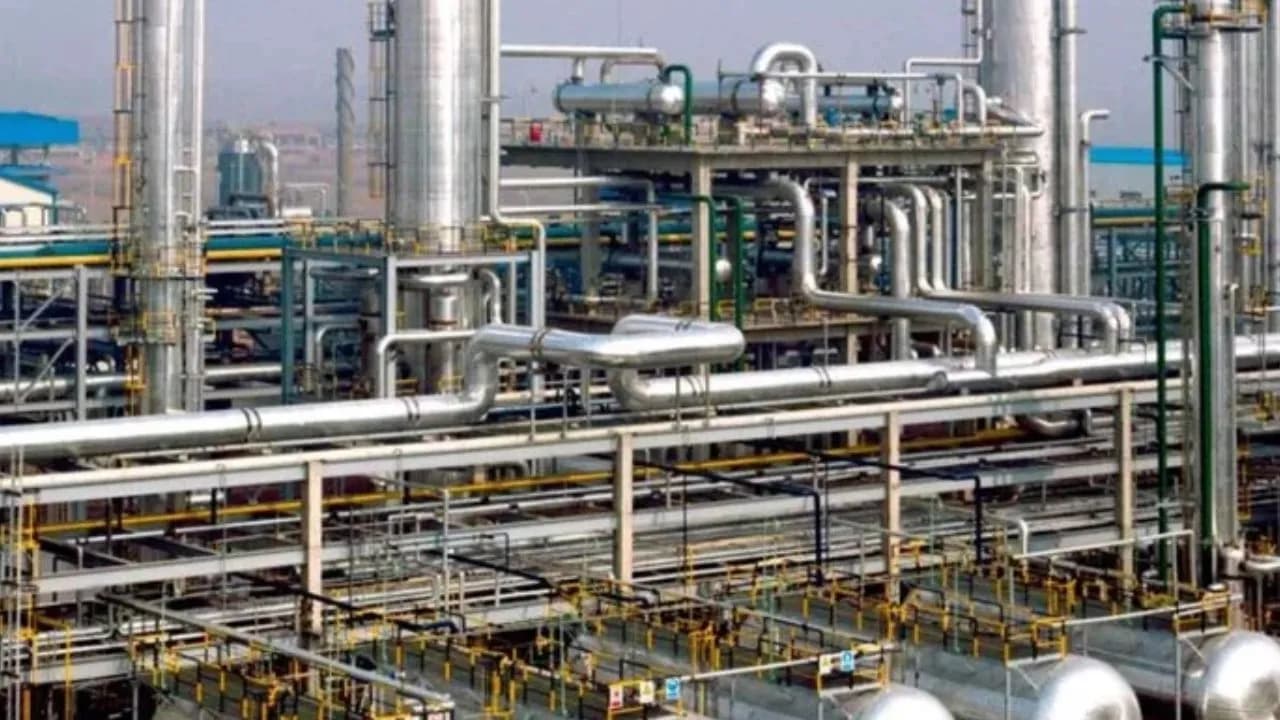
As Nigeria continues its journey toward energy independence, modular refineries have emerged as a key solution to increase local refining capacity, support regional energy demand, and reduce reliance on imported petroleum products. Leading this movement is Waltersmith Refining & Petrochemical Company, based in Ibigwe, Imo State, which is widely regarded as Nigeria’s most functional and efficient modular refinery. This article provides a comprehensive analysis of the refinery’s operations, supply chain, government support, and the role of the Nigerian National Petroleum Company (NNPC) in advancing the nation’s “Decade of Gas” initiative.
Waltersmith Refinery: Pioneering Local Refining Solutions
Commissioned in 2020, Waltersmith’s 5,000-barrel-per-day (bpd) modular refinery stands out for its operational efficiency, strategic partnerships, and commitment to producing high-quality refined products. Situated in the oil rich region of Imo State bordering the renowned Niger Delta, Waltersmith was established to provide a reliable source of diesel, kerosene, and heavy fuel oil, addressing both local and regional fuel shortages. The refinery is designed for expansion, with plans to increase capacity to 50,000 bpd over the coming years to cater to a growing demand for refined products in the region.
Waltersmith currently produces Automotive Gas Oil (AGO), Dual Purpose Kerosene (DPK), and Heavy Fuel Oil (HFO), contributing to Nigeria’s energy landscape by supplying diesel for transportation and industrial use. The company also intends to produce Premium Motor Spirit (PMS) and Jet A-1 fuel in the future, which would further diversify its product offerings.
Government Support and Policy Initiatives
The Role of Government and NNPC
The Nigerian government has prioritised the development of modular refineries as part of its broader energy security strategy. Through the Nigerian Content Development and Monitoring Board (NCDMB) and the Nigerian National Petroleum Company (NNPC), the government has actively supported Waltersmith by facilitating funding, technical guidance, and regulatory assistance. Waltersmith received significant backing from the NCDMB, which invested $10 million into the refinery project, recognising its potential to improve local refining capacity and create jobs.
NNPC has also been instrumental in supporting modular refineries like Waltersmith. By guaranteeing access to local crude supply, NNPC ensures a steady input for Waltersmith’s refining operations, reducing the risk of supply shortages that have hindered state-owned refineries. Additionally, NNPC collaborates with modular refineries to explore ways to further integrate local refining capabilities into Nigeria’s downstream sector, strengthening the overall fuel supply chain.
Alignment with the “Decade of Gas” Initiative
Waltersmith’s expansion plans align with Nigeria’s “Decade of Gas” initiative, an ambitious government led programme that aims to harness Nigeria’s vast gas reserves for economic development. While Waltersmith primarily focuses on liquid fuel products, the refinery is expanding into gas processing and power generation. By tapping into the local gas market, Waltersmith’s future developments support Nigeria’s transition to cleaner energy, bolstering domestic gas usage for power generation and industrial applications.
The “Decade of Gas” initiative envisions an energy sector where Nigeria’s gas potential is maximised to meet domestic and export demands. Waltersmith’s plans for gas processing not only fit within this vision but also contribute to reducing Nigeria’s carbon footprint by providing cleaner energy alternatives.
Operational Efficiency and Economic Impact
Meeting Local and Regional Demand
The Waltersmith Refinery’s operations have provided a steady supply of essential petroleum products, reducing Nigeria’s reliance on imports. According to industry data, Nigeria imports around 70% of its refined products, costing the country billions in foreign exchange annually. By producing AGO, DPK, and HFO domestically, Waltersmith helps meet regional demand, alleviating fuel scarcity in the southeastern region and reducing the transportation costs associated with long-distance fuel distribution.
This decentralised refining model has proven effective in supporting local economies. Fuel produced by Waltersmith is sold to nearby industries, transport companies, and filling stations, providing a consistent supply chain for the southeast. In addition to stabilising fuel supply, Waltersmith contributes to job creation, employing over 1,000 Nigerians directly and indirectly.
Expansion Plans and Economic Growth
With plans to expand its refining capacity to 50,000 bpd, Waltersmith aims to increase production of PMS, Jet A-1, and additional diesel. This expansion is expected to create up to 3,000 jobs, further boosting the local economy and addressing Nigeria’s high unemployment rate. The expansion aligns with the Nigerian government’s long-term goal to make the country a refining hub in West Africa, supporting both local consumption and export potential.
The Role of Modular Refineries in Nigeria’s Energy Future
Strategic Advantages of Modular Refineries
Modular refineries like Waltersmith represent a significant departure from Nigeria’s traditional reliance on large-scale refineries. Modular refineries are smaller, quicker to construct, and more cost-effective, making them an ideal solution for Nigeria’s refining needs. Waltersmith’s success demonstrates the potential of modular refineries to address regional fuel shortages, stabilise prices, and reduce logistical costs.
The Nigerian government has granted licences for 18 modular refinery projects across the country, a move that encourages private-sector investment and supports the decentralisation of Nigeria’s energy infrastructure. Waltersmith’s model is a blueprint for other modular refineries, showing how smaller-scale operations can deliver high-quality fuel products efficiently and profitably.
Addressing Environmental Concerns
While modular refineries typically have a lower environmental impact than traditional refineries, Waltersmith has further committed to sustainable practices by adhering to environmental standards set by the Nigerian Environmental Standards and Regulations Enforcement Agency (NESREA). The refinery utilises modern refining technologies that minimise waste and emissions, aligning with Nigeria’s commitment to environmental sustainability. Additionally, Waltersmith’s focus on gas processing for power generation supports Nigeria’s transition to cleaner energy sources under the “Decade of Gas” initiative.
Challenges Facing Modular Refineries and Government Response
Despite their benefits, modular refineries face several challenges, including funding, security concerns, and regulatory hurdles. While the government has provided financial incentives and regulatory support, access to credit remains a barrier for many operators. Security issues in oil-rich regions also pose risks, as refinery sites can be vulnerable to vandalism and theft.
To address these challenges, the Nigerian government, through agencies like NNPC and the Central Bank of Nigeria, has introduced programmes to provide modular refinery operators with low-interest loans and tax incentives. Additionally, improved security measures, such as collaboration with local communities and law enforcement, have been introduced to safeguard refinery sites.
Statistical Impact of Waltersmith and Modular Refineries on Nigeria’s Energy Sector
To understand the impact of Waltersmith and other modular refineries, it’s helpful to examine some key statistics:
| Metric | Value |
|---|---|
| Waltersmith Capacity | 5,000 bpd, with expansion to 50,000 bpd |
| Local Fuel Production | Diesel, kerosene, heavy fuel oil |
| Job Creation | 1,000+ current, 3,000 projected |
| Nigeria’s Fuel Import Reduction | ~10% reduction with modular refineries |
| Government Investment | $10 million from NCDMB |
These figures illustrate the economic and energy benefits provided by Waltersmith and other modular refineries, highlighting their role in Nigeria’s refining ecosystem.
Waltersmith as a Model for Nigeria’s Refining Future
Waltersmith Refining & Petrochemical Company exemplifies the potential of modular refineries to bridge the gap between Nigeria’s crude oil production and refined product demand. As the most functional modular refinery in Nigeria, Waltersmith demonstrates how local refining can strengthen the nation’s energy independence, create jobs, and support regional economies.
With strong government backing, strategic support from NNPC, and alignment with Nigeria’s “Decade of Gas” initiative, Waltersmith’s expansion plans indicate a positive trajectory for Nigeria’s energy sector. As modular refineries continue to play an integral role, Nigeria inches closer to its vision of becoming a self-sufficient refining hub, reducing foreign dependency and strengthening its position within the West African energy market.
By building on the Waltersmith model, Nigeria has an opportunity to achieve a balanced and resilient refining industry, ensuring energy security and sustainable growth for the country’s future.