

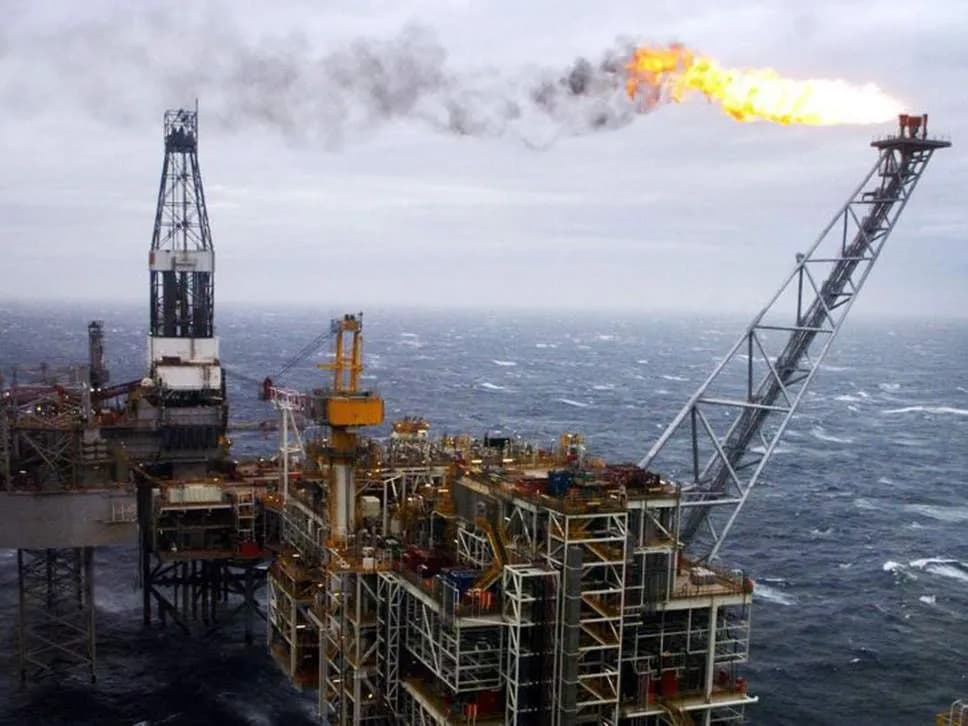
When people think about oil production, they often focus on crude oil, but there’s another key player in the mix called condensate. This lesser-known hydrocarbon is just as important, helping Nigeria earn billions while keeping the wheels of the economy turning.
What is Condensate?
Condensate is a light hydrocarbon liquid that comes from natural gas fields. Unlike crude oil, which is thick and heavy, condensate is much lighter and can be refined into valuable products like petrol, jet fuel, and solvents. Because of its high value and lower environmental impact, it’s a crucial part of Nigeria’s energy exports.
How Much Condensate Does Nigeria Produce?
Nigeria has been producing condensate for years, contributing significantly to its overall hydrocarbon output. However, production levels have fluctuated.
- As of June 2024, Nigeria produced around 224,040 barrels per day (bpd) of condensate. This was a 6% drop from the previous year’s 238,488 bpd.
- By October 2024, the Nigeria combined crude oil and condensate production rose to 1.8 million bpd, up from 1.54 million bpd in September. This increase was driven by improved security measures and a crackdown on oil theft.
How Much Money Does Nigeria Make From Condensate?
Condensate is a major contributor to Nigeria’s oil revenue. While exact earnings from condensate alone are not always separated in financial reports, the country’s total crude oil revenue recently hit a staggering ₦50.88 trillion.
With condensate production averaging 250,000 to 300,000 bpd, it plays a vital role in boosting Nigeria’s foreign exchange earnings.
What’s Next for Nigeria’s Condensate Industry?
The Federal Government is looking to increase oil and condensate production to 2.6 million bpd by 2026. If successful, this would bring in even more revenue and help stabilise the economy.
Condensate may not make the headlines as often as crude oil, but it remains a silent powerhouse in Nigeria’s energy sector. As the country ramps up production, this valuable resource will continue to shape Nigeria’s economic future.