

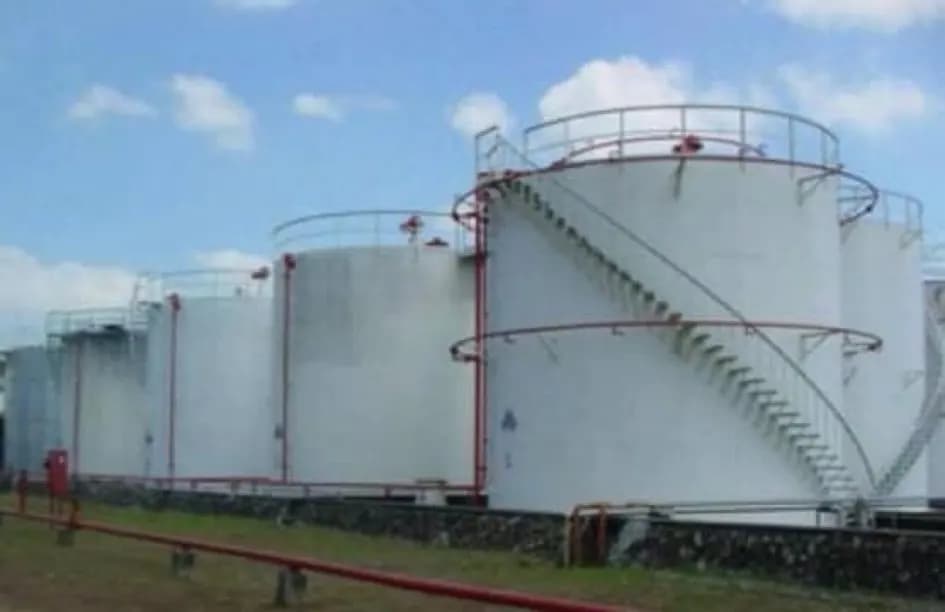
Depot prices of Premium Motor Spirit (PMS), popularly known as petrol, have remained elevated across Nigeria despite the sustained decline in global crude oil prices, highlighting widening distortions within the country’s downstream petroleum supply chain.
Checks by Petroleumprice.ng across major depots nationwide show petrol prices continuing to trade within a firm range despite the sharp decline in international crude benchmarks. In Lagos, PMS prices were tracked at Nipco ₦1,281 per litre, Aiteo ₦1,285, and Pinnacle ₦1,286. In Warri, Danmarna and Pinnacle both traded at ₦1,298 per litre, while Port Harcourt depots showed Masters at ₦1,320 and TSL at ₦1,317 per litre. In Calabar, Jenny depot sold PMS at ₦1,300 per litre.
The pricing trend persists even as Brent crude slipped below the $100 per barrel mark in the international market amid easing concerns over supply disruptions linked to tensions in the Middle East.
Industry operators and market analysts attribute the disconnect to tightening refined product supply, crude availability challenges, and the growing dominance of a single major supplier in the domestic market.
The situation has created what operators describe as a supply-demand imbalance, where depot pricing is being driven more by supply limitations than by movements in international crude benchmarks.
Market findings show that while lower crude oil prices would traditionally reduce refining costs and trigger downward adjustments in depot petrol prices, that transmission mechanism has remained weak in Nigeria’s current market structure.
Sources familiar with downstream supply dynamics said the country is experiencing both crude supply constraints and refined product shortages, factors that have kept depot owners from aggressively reducing prices despite the drop in international oil prices.
According to industry stakeholders, the Dangote Refinery, which currently accounts for a significant share of domestic PMS supply, has maintained its gantry price without major downward adjustments, effectively sustaining the prevailing market price structure.
Analysts said the refinery’s pricing position reflects prevailing supply realities within the sector rather than direct alignment with international crude price movements.
“The market is currently responding more to supply availability than to crude price direction,” a downstream operator familiar with depot transactions told Petroleumprice.ng.
The source explained that crude shortages affecting local refining operations, combined with reduced import activity, have narrowed product availability across several supply corridors.
Industry players also linked the supply tightness to challenges surrounding crude feedstock availability, particularly amid concerns over domestic crude allocation and disruptions within the international energy market caused by recent geopolitical tensions.
Operators further noted that the absence of fresh import permits for petrol cargoes in recent months has significantly reduced alternative supply channels into the country.
According to market participants, the limited issuance of import permits has effectively concentrated supply pressure on a smaller number of market players, with the Dangote Refinery emerging as the dominant PMS supplier in the downstream market.
The development, they said, has reduced competitive pricing pressure that would normally force depot operators to respond more quickly to falling crude oil prices.
“As long as supply remains tight and demand continues to rely heavily on one dominant source, depot prices may not immediately reflect international crude declines,” another market analyst said.
Industry data tracked across multiple depots showed that marketers continue to source products within a relatively firm pricing band despite the recent correction in global oil markets.
Analysts noted that the downstream market is currently operating under a constrained supply structure where available volumes remain closely matched with prevailing demand levels, limiting the possibility of aggressive price reductions.
The situation also reflects the broader structural realities within Nigeria’s deregulated downstream market, where depot pricing is increasingly influenced by supply concentration, logistics, product availability, and replacement costs rather than crude oil movements alone.
While global oil prices have weakened on expectations of easing tensions in the Middle East, depot operators said the domestic market may require stronger product availability, increased import competition, and improved supply diversification before significant downward price adjustments can emerge across the downstream value chain.
Market observers believe that unless supply conditions improve substantially, depot petrol prices may continue to remain firm even amid continued softness in international crude prices.