

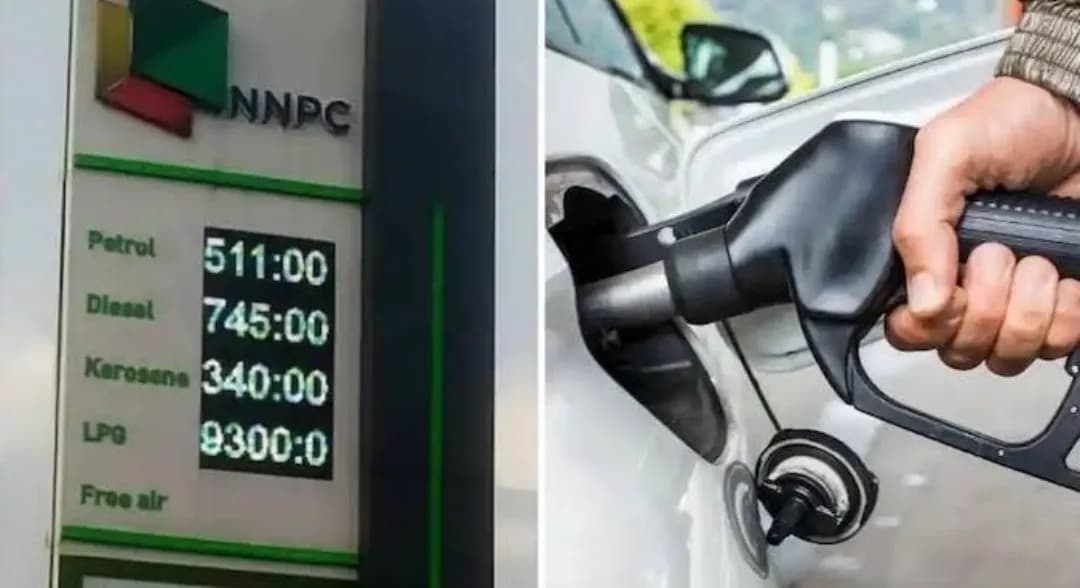
The question of a potential fuel price reduction in Nigeria remains complex, impacted by both domestic and global factors. With the recent deregulation of Nigeria’s oil industry and the operationalisation of the Dangote Refinery, many Nigerians are hopeful for lower prices at the pump. However, a range of influences from the Nigerian National Petroleum Corporation Limited (NNPCL), Independent Petroleum Marketers Association of Nigeria (IPMAN), and global oil market trends complicate predictions.
NNPCL’s Stance on Fuel Pricing
NNPCL, the national oil company, has a significant role in fuel importation and distribution across Nigeria. Despite the removal of fuel subsidies, NNPCL continues to serve as the main importer of petrol. This gives it considerable sway over pricing, as international crude prices, currency exchange rates, and transportation costs directly affect the pump price. With crude prices fluctuating, NNPCL’s ability to maintain stable or reduced prices remains limited. The corporation has suggested that, until local refining capacities expand, import-related costs will keep fuel prices volatile.
Dangote Refinery: Game-Changer or Limited Impact?
The Dangote Refinery, inaugurated in 2023 and fully operational in 2024, is Africa’s largest single-train refinery with a capacity of 650,000 barrels per day. Expectations are high that it will alleviate Nigeria’s reliance on imported fuel, potentially lowering costs in the long term. However, the refinery is not solely focused on the Nigerian market it plans to export refined products, seeking competitive returns in both local and international markets. Additionally, production costs and market demands mean it may not necessarily lead to significant price cuts domestically.
While the refinery’s full impact is still unfolding, it is expected to stabilise the local supply chain, potentially curbing the extreme price spikes often caused by import delays and logistical issues.
IPMAN’s Influence and Distribution Challenges
Independent marketers, represented by IPMAN, play a crucial role in fuel distribution across Nigeria. IPMAN has raised concerns that distribution costs, fluctuating exchange rates, and high operational expenses continue to drive up pump prices, even as more local production comes online. IPMAN also points to challenges such as fluctuating import rates, infrastructure deficits, and recent fuel depot constraints that affect consistent supply. Without subsidies, these costs get passed down to consumers, limiting opportunities for price relief.
Economic and Global Influences
Nigeria’s fuel prices are also influenced by international crude oil markets and the naira’s exchange rate. As a crude-exporting nation, Nigeria earns significant revenue from oil, but it is equally impacted by global price surges. Given recent geopolitical tensions and the Organisation of the Petroleum Exporting Countries’ (OPEC) production targets, oil prices remain unpredictable. This affects Nigeria’s import costs, meaning any significant price drop would require either a stronger naira or lower global oil prices—factors outside Nigeria’s direct control.
The Road Ahead for Lower Fuel Prices
In the short term, the likelihood of a substantial fuel price drop appears limited. As Nigeria transitions away from import dependence, prices could stabilise, though immediate reductions may not be feasible. A sustained decrease would require bolstered refining capacity, particularly through more modular refineries, stable foreign exchange rates, and improved logistics.
In the long run, as more modular refineries come online and the Dangote Refinery reaches full capacity, Nigeria’s domestic refining sector could meet more of the country’s fuel demands, reducing the need for costly imports. However, achieving this balance depends heavily on strategic policy shifts, economic stability, and investments in infrastructure, as well as ongoing developments in global oil markets.