

This interview was conducted in 2025.
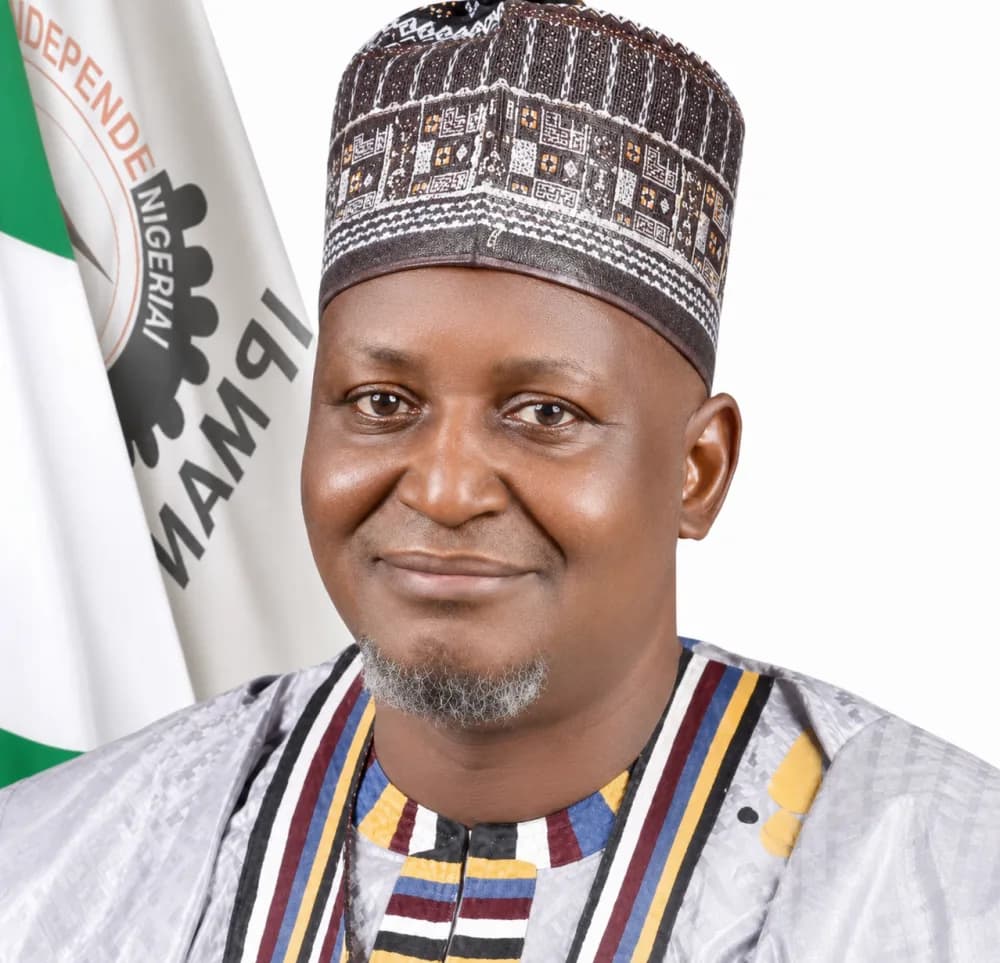
Nigeria's downstream petroleum sector runs on a vast and often invisible network of independent marketers who bridge the gap between large distributors and the everyday consumer. At the centre of that network sits the Independent Petroleum Marketers Association of Nigeria, IPMAN, whose National President, Alhaji Abubakar Maigandi Shettima, has made it his mandate to defend the interests of marketers and hold the industry to account.
Shettima's regard for accountability extends beyond the association itself. He told Petroleumprice.ng that the publication's petroleum pricing coverage has become a working tool for IPMAN, one the association actively uses to hold petroleum firms responsible for product availability, and that he had at one point considered integrating the platform into IPMAN's own website. "I have been seeing the work that you have been doing, which is very, very wonderful," he said.
How would you describe IPMAN's impact on the Nigerian petroleum sector?
IPMAN is the backbone of Nigeria's oil distribution network. We account for almost 80% of retail outlets nationwide, according to association figures. Without IPMAN, there is no distribution, and without distribution, there is no product at fuel stations. This makes us indispensable to the industry.
Transparency has been a key concern in the industry. What improvements have been made within IPMAN?
Transparency has significantly improved. Leadership challenges in the past hindered progress, but with true leaders now in place, we defend the interests of independent marketers. For instance, our zonal chairman constructed a large IPMAN house within five years, which was recently commissioned, a sign of growth and accountability.
Recent price hikes at depots have caused panic among marketers. What is your take on this?
The era of panic buying is over. With Dangote Refinery in operation, products are consistently available. Fuel prices are deregulated and may fluctuate slightly, but those adjustments are typically around 5% and are entirely manageable. Prices will drop once crude oil prices decline.
Should local refineries be subsidised by the government?
Absolutely. Subsidising local refineries would allow us to sell products to motorists at lower rates and position Nigeria to export refined products. Supporting local refineries is critical for reducing costs and strengthening the economy.
What role do local refineries play in ensuring fuel availability?
The progress made by local refineries is commendable. Dangote Refinery's high production capacity ensured there were no fuel shortages during the festive season, a time that has historically been marked by scarcity. That stability demonstrates exactly what increased local refining capacity can do for this country.
What is your message to the government and stakeholders regarding infrastructure challenges in the sector?
Non-functional depots in Ibadan, Mosimi, Ore, and Satellite need to be rehabilitated. Reviving these facilities will reduce transportation costs and ease the distribution burden that marketers currently carry alone. The government must bring independent marketers closer to petroleum production. That is the only way to stabilise prices and improve supply for the ordinary Nigerian.