

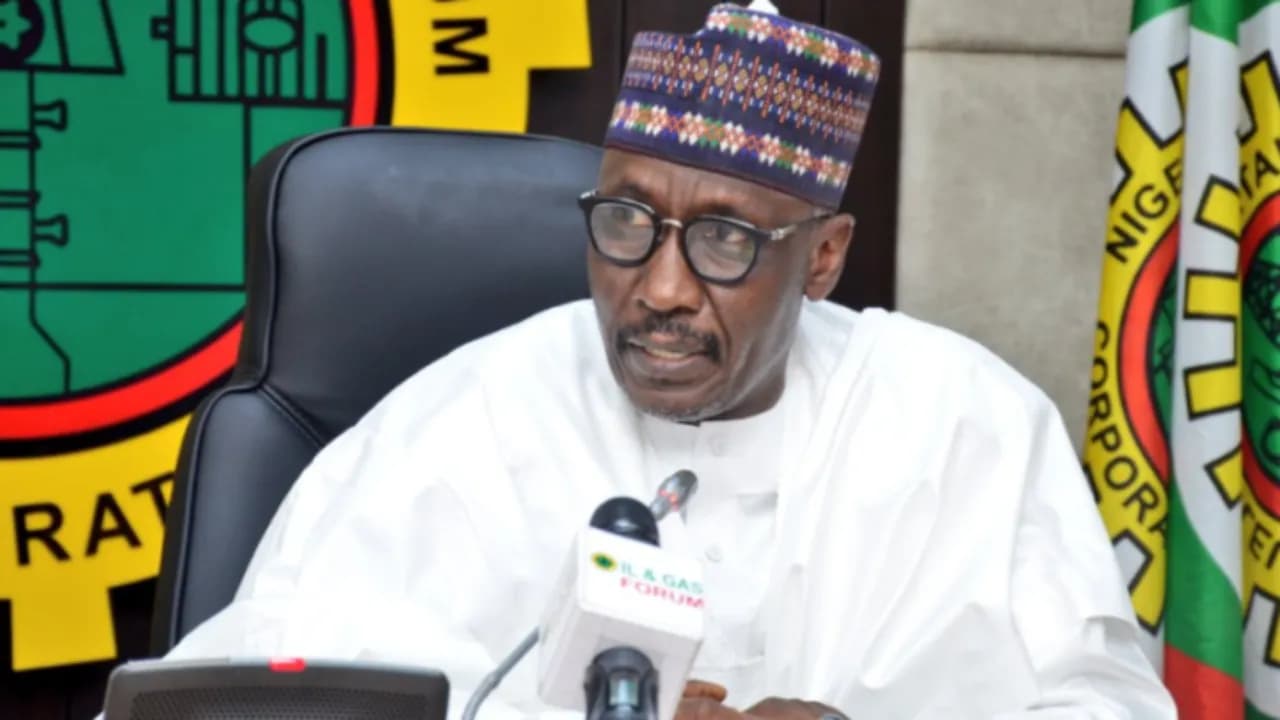
The World Bank has raised concerns over the Nigerian National Petroleum Company Limited’s (NNPCL) recent financial submissions to the Federal Account Allocation Committee (FAAC), highlighting significant inconsistencies and a lack of transparency. These findings have renewed scrutiny of NNPCL’s governance and could influence Nigeria’s economic standing.
Key Findings on NNPCL’s Inconsistencies and Reporting Issues
According to the World Bank’s “Accelerating Resource Mobilisation Reforms (ARMOR)” report published in May 2024, NNPCL’s governance structure is described as “opaque.” This lack of transparency has hindered Nigeria’s ability to receive consistent oil revenue, impacting financial oversight and complicating the country’s efforts to achieve fiscal stability.
The World Bank found that NNPCL’s FAAC reports lack essential details such as pledged revenues, crude oil trade values, and receipts from global oil trades. Without this information, authorities struggle to accurately assess revenue flows and monitor discrepancies between NNPCL’s reported revenues and actual income transferred to the Federation Account. This transparency challenge reflects issues highlighted in the Nigeria Public Finance Review 2022, which criticised NNPCL for quasi-fiscal activities such as in-kind crude oil revenues and direct revenue deductions which complicate effective financial management and reporting.
Example of Revenue Shortfalls: Dangote Refinery Equity Deal
A significant example of these revenue inconsistencies is found in NNPCL’s recent transaction involving a 20 per cent equity share in the privately owned Dangote Refinery. In this deal, NNPCL pledged 35,000 barrels of crude oil per day as part of its commitment, with expected revenue valued at $5.8 billion by the end of 2022. However, the World Bank noted that the actual revenues declared were notably below projections, further illustrating the gaps in NNPCL’s reporting accuracy.
The Broader Impact: Fiscal Vulnerabilities and Oil Revenue Dependency
Nigeria’s dependence on oil revenues has been identified as a fiscal vulnerability. Oil production has dropped from 1.8 million barrels per day (mbpd) in 2020 to 1.4 mbpd in 2022-2023, primarily due to security challenges, inadequate investment, and the escalating cost of gasoline subsidies. This decline has persisted despite a 116 per cent increase in oil prices from 2020 to 2023, with net oil and gas fiscal revenues dropping from 2 per cent to 1.8 per cent of GDP during this period as much of the revenue was directed towards subsidies instead of the Federation Account.
Foreign Exchange Strategy and Revenue Losses
The World Bank’s report also details how Nigeria’s foreign exchange subsidy strategy led to a N13.2 trillion revenue loss from 2021 to 2023. The federal government inadvertently created a substantial revenue gap by prioritising a stable exchange rate for the naira . The official rate was unable to compete with the black market, further complicating the country’s fiscal challenges.
Call for Greater Transparency
The World Bank’s findings underscore the urgent need for more transparent financial practices within NNPCL to support Nigeria’s fiscal resilience. Implementing stronger governance and reporting standards could be crucial for Nigeria’s efforts to enhance revenue mobilisation, reduce dependency on oil revenues, and align with global financial best practices.