

Nigeria has emerged as the 13th most expensive country in the world to purchase Liquefied Petroleum Gas (LPG), even as depot prices continue to fall sharply across the country. Meanwhile, Algeria has retained its position as the world’s cheapest LPG market, selling gas at a fraction of Nigeria’s retail cost.
New global data as of July 14, 2025, places Nigeria’s average LPG price at $0.547 per litre (₦836.74) — significantly above the global average of $0.75 (₦1,147). In sharp contrast, Algeria’s LPG price is just $0.069 (₦105.76), making it roughly 88% cheaper than Nigeria’s, despite both countries being major gas producers in Africa.
This disparity reflects not just economic structure, but a clear policy divide. While Nigeria struggles with fragmented distribution and weak enforcement, Algeria benefits from decades of deliberate pricing policies aimed at protecting household access to clean energy.
Algeria’s Affordable LPG Model: A Policy Masterclass
Algeria’s ultra-low LPG price is a result of state subsidies, local production dominance, and centralised price regulation. The country, a major natural gas exporter, uses its wealth to shield citizens from global price volatility. The government’s commitment to domestic energy affordability has created a stable LPG market, supported by efficient logistics, widespread access, and minimal third-party markups.
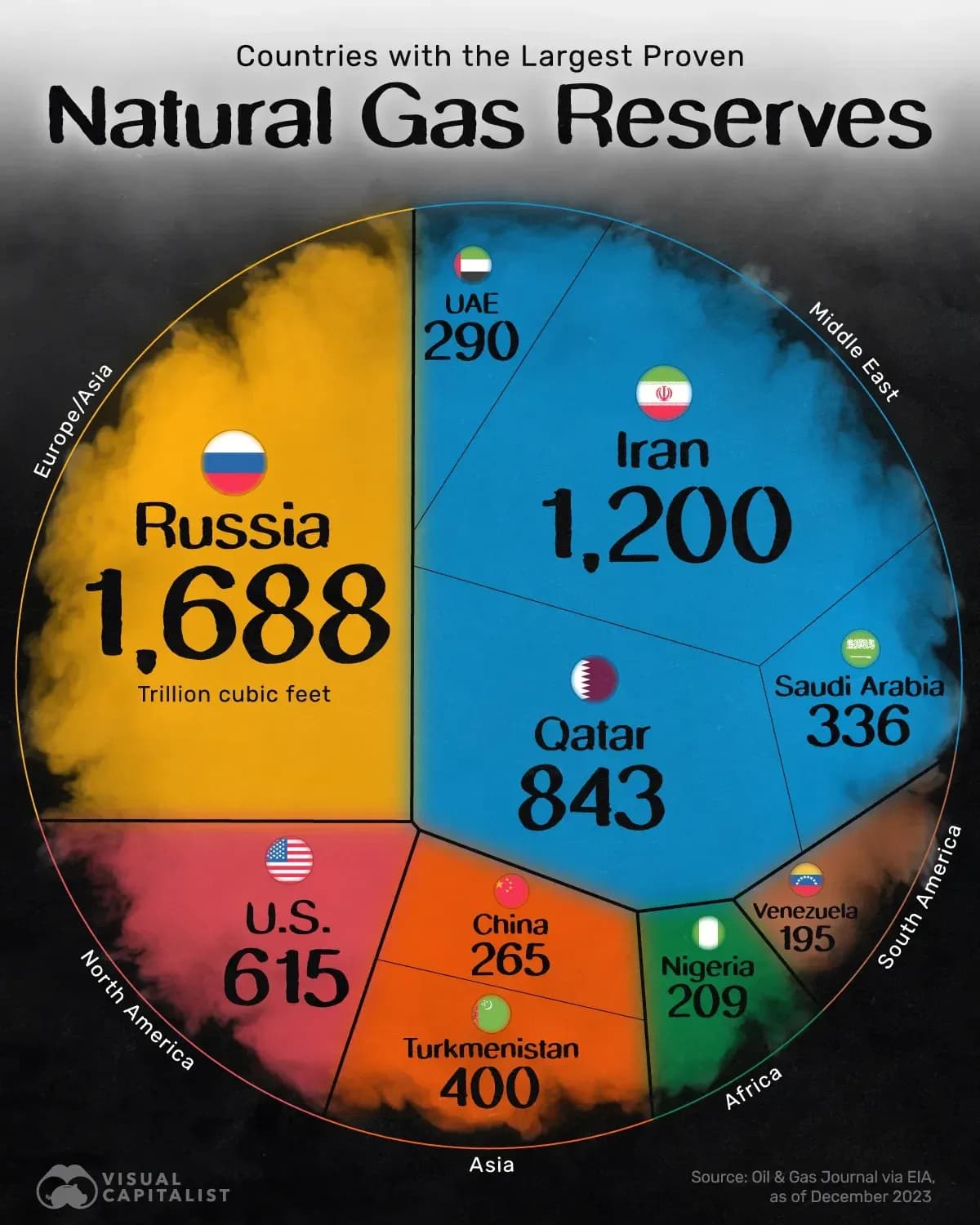
This contrasts sharply with Nigeria, where LPG prices fluctuate wildly across the supply chain. Despite having over 206 trillion cubic feet (Tcf) of proven gas reserves, Nigeria’s clean cooking fuel penetration remains below 40%, with more than 65% of households lacking regular access to LPG.
Depot Prices Drop, But Consumers Still Pay More
In Lagos, depot prices for LPG have plummeted in recent weeks:
- Dangote Depot: ₦800
- Ardova Depot: ₦825
- Stockgap Depot (Port Harcourt): ₦860
Yet retail prices remain sky-high, with consumers in Lagos paying ₦1,200–₦1,250/kg, and as much as ₦1,300/kg in Abuja, Ogun, and Port Harcourt. Even a ₦120/kg cut announced by NNPC Retail has failed to trigger corresponding adjustments from private marketers.
Dangote Signals Direct Sales, Warns Marketers
In a potential game-changer, Aliko Dangote has announced plans to slash LPG prices further and bypass traditional distributors if market players continue inflating prices.
During a tour of the $20 billion Dangote Petroleum Refinery in Lekki on July 15, the billionaire industrialist declared:
“We are working to cut LPG prices. If distributors resist, we’ll sell directly to consumers.”
Producing 2,000 tonnes of LPG daily, the 650,000 bpd facility now stands as Africa’s largest single-train refinery and could soon supply 60% of Nigeria’s daily LPG demand.
By moving toward a manufacturer-to-consumer (M2C) model, Dangote aims to disrupt the current supply chain marked by excessive middlemen, FX-linked volatility, and inflated transport margins. His statement has jolted downstream players who depend on multilayered distribution networks to survive.
“This is a wake-up call to marketers inflating prices,” noted a Lagos-based industry consultant. “If Dangote pulls this off, Nigeria’s LPG landscape will never be the same.”
High Prices, Poor Access: A Deadly Mix
The World Health Organization estimates over 95,000 Nigerians die annually from indoor air pollution caused by firewood and charcoal, a consequence of LPG’s unaffordability. As prices rise, especially in rural and peri-urban areas, millions are reverting to unsafe cooking methods, undermining both public health and climate goals.
The Decade of Gas initiative, championed by the Federal Government, seeks to accelerate domestic gas use for cooking, transport, and power. But this vision faces serious headwinds if households cannot afford a basic 6kg cylinder refill.
How Nigeria Compares Globally
Below are selected country benchmarks (LPG price per litre, converted at ₦1,530/USD exchange rate):
Algeria – $0.069 (₦105.76)
Angola – $0.109 (₦166.75)
Saudi Arabia – $0.291 (₦444.38)
Russia – $0.362 (₦553.47)
Taiwan – $0.497 (₦759.25)
Nigeria – $0.547 (₦836.74)
Turkey – $0.656 (₦1,002.45)
France – $1.042 (₦1,595.11)
Germany – $1.133 (₦1,733.74)
Switzerland – $1.299 (₦1,985.79)
Notably, Nigeria’s average retail LPG price of ₦836.74 per litre ranks well above most energy-producing nations and just behind developed economies with far more efficient infrastructure and higher income levels.
What Comes Next?
Regulators, particularly the Nigerian Midstream and Downstream Petroleum Regulatory Authority (NMDPRA), may soon be compelled to intervene. As Dangote pushes for direct sales, stakeholders expect new guidelines on pricing, distribution rights, and end-user protections.
For consumers, however, hope may finally be on the horizon. If Dangote succeeds in undercutting retail cartels and reshaping the value chain, millions of Nigerians could access clean cooking gas at world-competitive prices, a leap forward in both energy justice and economic inclusion.
The question now is not whether LPG prices can drop, but how soon Nigeria can align its gas wealth with affordable access for all.