Depot Prices Weekly Review: 1st – 5th June 2026
MarketsJun 6, 2026
The Nigerian downstream petroleum market recorded a generally stable but mildly bearish pricing trend across major depots between Monday, 1st June and Friday, 5th June 2026.


For Adverts / Inquiries
08024545197The Nigerian downstream petroleum market recorded a generally stable but mildly bearish pricing trend across major depots between Monday, 1st June and Friday, 5th June 2026.

Jet fuel markets are once again under strain globally, with airlines facing renewed cost pressures as refining margins surge and price volatility intensifies across key trading hubs. The International Air Transport Association (IATA) has warned that the impact is uneven across carriers, largely depending on their ability—or inability—to hedge fuel exposure.

The Nigerian National Petroleum Company Limited (NNPC Ltd) has clarified that its new agreement with two Chinese firms for the Port Harcourt and Warri refineries does not involve any fresh spending, contract award, or financial commitment from the company or the Federal Government.

President Bola Ahmed Tinubu has removed Saidu Mohammed from office as Chief Executive of the Nigerian Midstream and Downstream Petroleum Regulatory Authority (NMDPRA), in a decision the Presidency said was taken in the public interest under the Petroleum Industry Act (PIA) 2021.
Operations across Seplat Energy Plc facilities are set to resume after the Petroleum and Natural Gas Senior Staff Association of Nigeria (PENGASSAN) suspended its strike, following a last-minute intervention by the Nigerian National Petroleum Company Limited (NNPCL) and fresh commitments from the company’s management.

The United Kingdom is set to convene a high-level meeting of about 35 countries today in a coordinated push to reopen the Strait of Hormuz, a critical global oil route effectively shut by escalating conflict involving Iran. The talks, chaired by British Foreign Secretary Yvette Cooper, come amid mounting pressure on energy markets and rising fears over prolonged supply disruption.
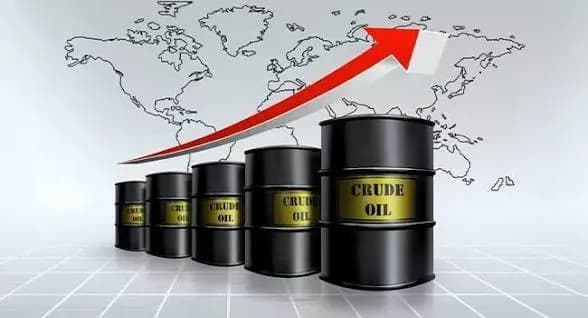
Global oil prices surged on Thursday as geopolitical tensions escalated, with fresh threats from the United States and renewed Middle East unrest rattling markets. As at the time of writing (8:05 AM WAT), Brent crude climbed to $108 per barrel, up 6.75 per cent in intraday trading, reversing earlier losses and reflecting rising investor anxiety.
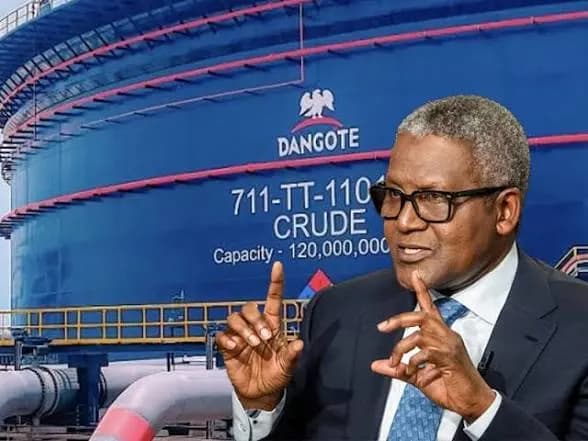
President of the Dangote Group, Aliko Dangote, has raised fresh concerns over tightening fuel availability, revealing that soaring demand has nearly wiped out key refined products from his refinery’s stock
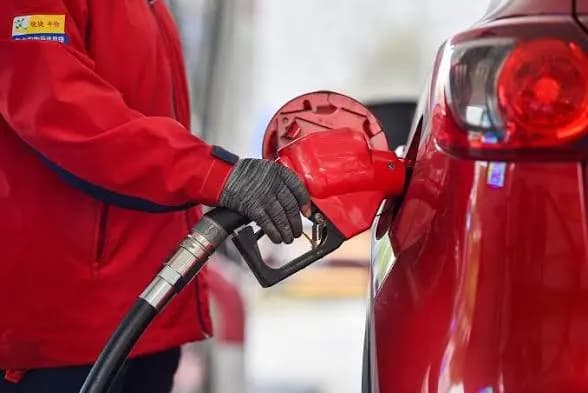
There is something unsettling about the current moment in the global oil market. Prices are no longer rising gradually they are jumping, reacting sharply to every missile strike, every disrupted shipment, every threat to supply routes in the Middle East. What began as a regional conflict has now morphed into a full-blown energy shock, and across continents, petrol prices are responding with unusual speed.

Regulatory pressure is tightening in Nigeria’s downstream petroleum sector as the Nigerian Midstream and Downstream Petroleum Regulatory Authority (NMDPRA) intensifies enforcement against sharp practices at retail outlets. In Rivers State, the authority has sealed multiple petrol stations for under-dispensing products and operating outside approved regulatory standards. The action forms part of NMDPRA’s ongoing consumer protection
S &P Global Commodity Insights has warned that Brent crude prices could slide to $55 per barrel before the end of 2025 as OPEC+ ramps up supply, reversing production cuts first agreed in 2022. Speaking at the Asia Pacific Petroleum Conference in Singapore, Dave Ernsberger, co-president of S&P Global, cautioned that a combination of factors
Nigeria, Africa’s top oil producer, will impose a 5% tax on all fossil fuel sales starting January 2026 under its new tax law. The law states that Nigerians must pay a “5% surcharge chargeable on fossil fuel products provided or produced in Nigeria.” According to the regulation, this fee “shall be collected at the time

Nigeria’s downstream petroleum market relies on a core group of independent depot owners responsible for holding and distributing refined products. Below are the leading 10, ranked by influence and scale. Self-reported capacities and market-share claims are tagged as (company disclosure); if no recent public figures exist, especially for the smaller players, that’s also noted. 1.
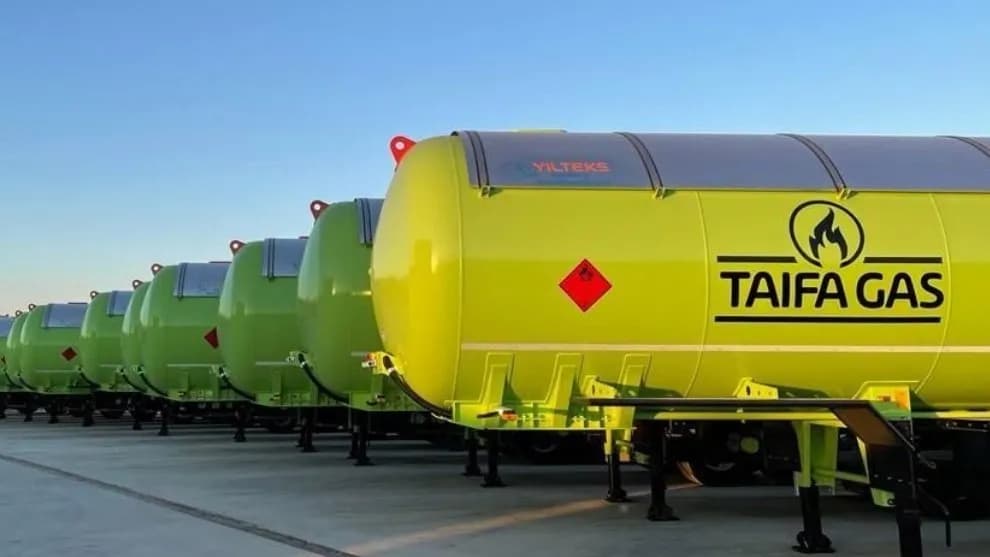
The latest global data on Liquefied Petroleum Gas (LPG) prices, as of August 4, 2025, reveals major price differences between countries. While the average global price is $0.75 per litre, several countries offer LPG at much lower rates. This variation is mainly driven by domestic gas production, subsidy regimes, and tax policies. According to data

In a landmark move for Nigeria’s downstream petroleum sector, Petroleumprice.ng has launched the country’s first digital marketplace tailored specifically for oil and gas trading. The platform is set to reshape how petroleum products, infrastructure, and logistics are bought and sold across the industry. Billed as a “trusted, real-time trading hub”, the Petroleumprice.ng Marketplace offers a
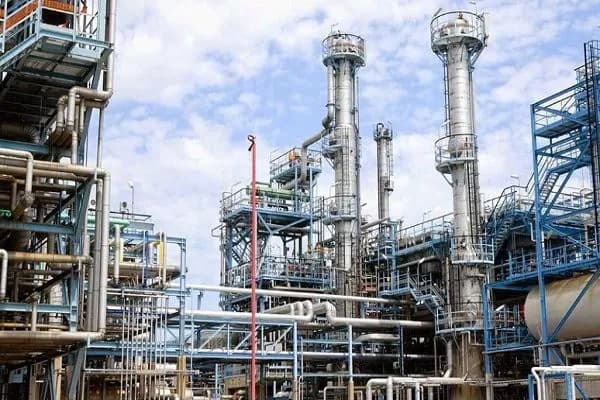
The global oil refining landscape is shaped by mega-refineries with massive processing capabilities, each exceeding 500,000 barrels per day (bpd). These industrial giants not only fuel national economies but also influence regional trade flows, export dynamics, and global market pricing. Below is a comprehensive ranking of the ten largest operational crude oil refineries in 2025,
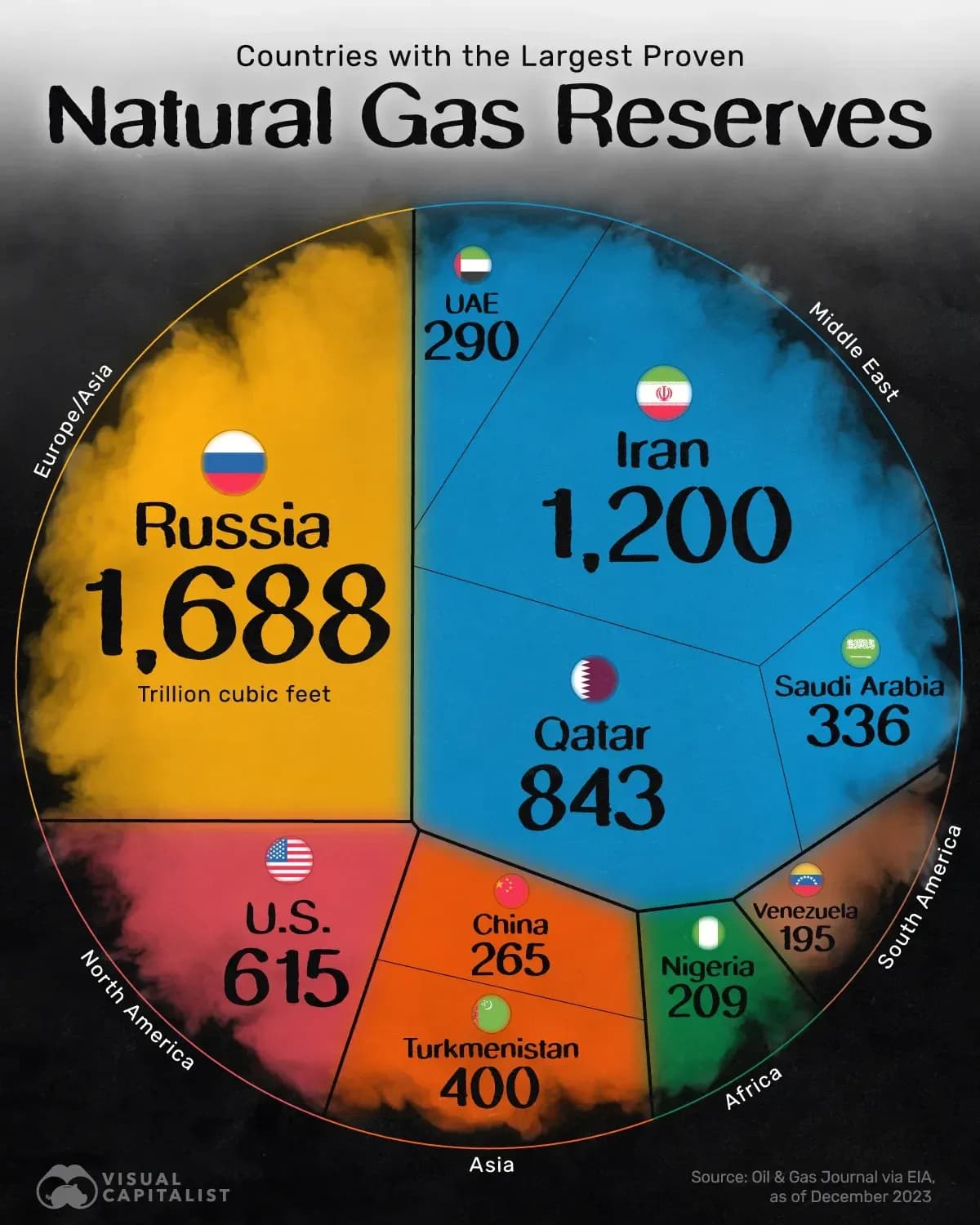
Nigeria has emerged as the 13th most expensive country in the world to purchase Liquefied Petroleum Gas (LPG), even as depot prices continue to fall sharply across the country. Meanwhile, Algeria has retained its position as the world’s cheapest LPG market, selling gas at a fraction of Nigeria’s retail cost. New global data as of
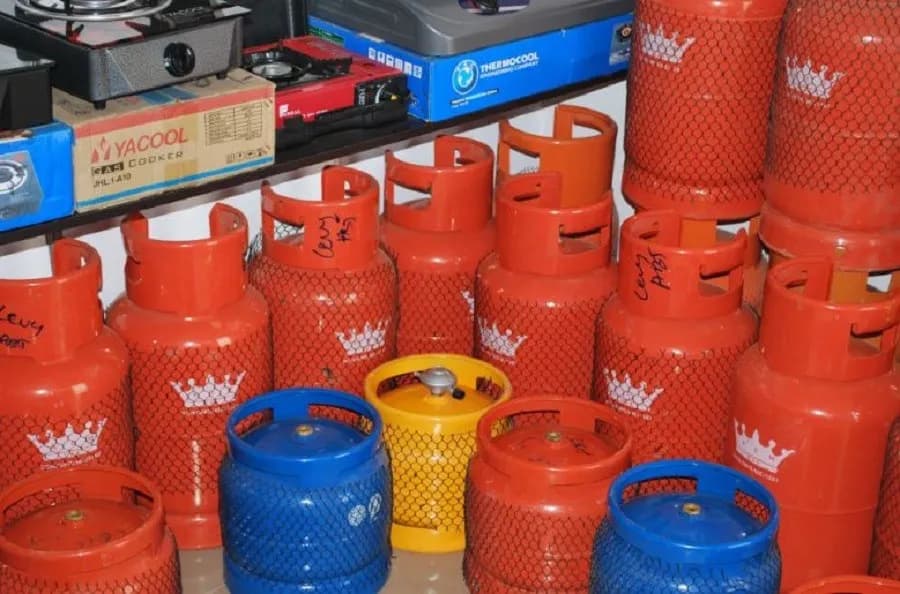
Despite a sharp decline in depot prices of Liquefied Petroleum Gas (LPG), retail sellers across major Nigerian cities continue to sell cooking gas at inflated rates, sparking concerns over pricing transparency and consumer exploitation. Findings by Petroleumprice.ng reveal that depot prices in Lagos and Port Harcourt have dropped significantly, yet consumers in states like Ogun,
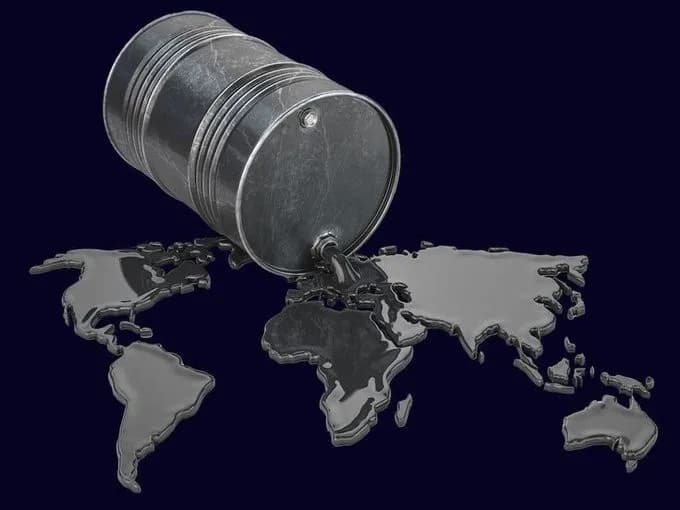
Venezuela continues to offer the world’s lowest diesel price, retailing at just $0.004 per liter as of July 7, 2025. This price stands far below the global average of $1.22 per liter, sustained by heavy government subsidies and a long-standing fuel pricing policy that keeps domestic pump prices artificially low. How Venezuela Maintains the World’s
We use analytics cookies to understand how visitors use Petroleumprice.ng and improve the site. No data is sold or shared with advertisers.