

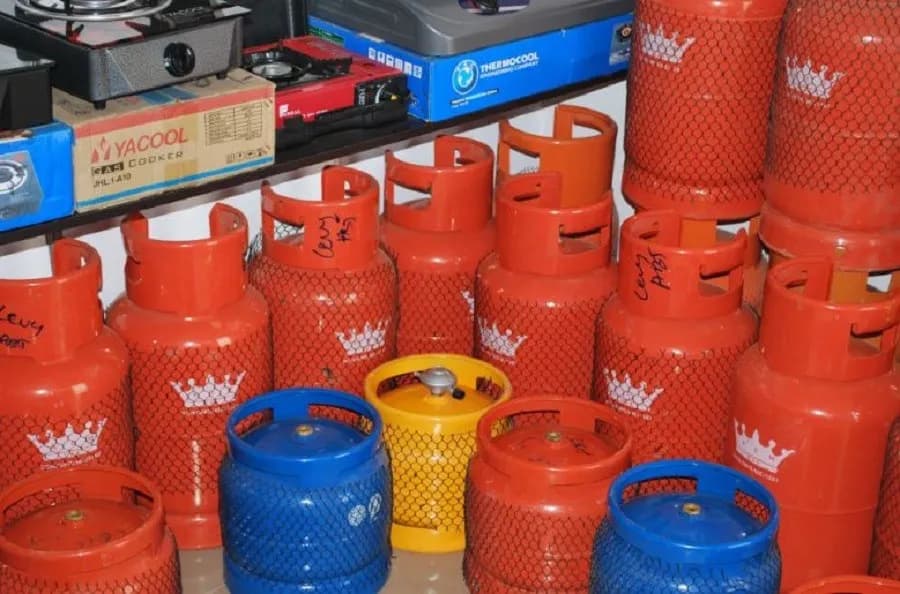
Despite a sharp decline in depot prices of Liquefied Petroleum Gas (LPG), retail sellers across major Nigerian cities continue to sell cooking gas at inflated rates, sparking concerns over pricing transparency and consumer exploitation.
Findings by Petroleumprice.ng reveal that depot prices in Lagos and Port Harcourt have dropped significantly, yet consumers in states like Ogun, Rivers, and the FCT are paying as much as ₦1,300 per kilogram, a stark contrast to the current wholesale cost.
Depot Prices Tell a Different Story
In Lagos:
- Dangote Gas Depot now sells LPG at ₦800
- Ardova Depot offers it at ₦825
In Port Harcourt:
- Stockgap Depot lists LPG at ₦860
Despite these reductions, retail prices in Lagos remain between ₦1,200 and ₦1,250 per kg, with even steeper prices observed in Ogun, Port Harcourt, and Abuja, where some outlets now charge ₦1,300/kg.
This pricing anomaly persists even after a recent intervention by NNPC, which slashed cooking gas prices by ₦120 per kg across its own filling stations. The reduction followed Dangote Refinery’s decision to lower the ex-depot price of petrol, which in turn influenced logistics and overall energy cost trends.
“The price of cooking gas at Nigerian National Petroleum Company filling stations has dropped by ₦120. With the new price, Nigerians will now pay less to refill their cooking gas cylinder across the country,” NNPC stated earlier this month.
Retailers Under Scrutiny
The gap between depot and retail prices has raised eyebrows among industry watchers. While marketers cite high transportation costs, taxes, and bottlenecks in distribution as contributing factors, analysts argue that the current margin appears unjustifiable and is eroding consumer purchasing power during a time of economic strain.
“If the depot price is down to ₦800, why are end-users still paying ₦1,300? That’s a 62.5% markup. Something’s not adding up,” one independent LPG analyst told Petroleumprice.ng.
The development also underscores the lack of effective price regulation in the domestic LPG market. Unlike petrol, which often draws swift attention when prices move, cooking gas remains largely deregulated, leaving consumers at the mercy of retail pricing decisions.
Call for Transparency and Fair Pricing
With Nigeria aiming to deepen LPG adoption for cleaner energy access, industry groups and consumer advocates are calling on regulatory authorities to closely monitor price transmission from depots to final sale points.
While the drop in depot prices should ideally signal relief for households, the current pricing pattern suggests that only a few operators, such as NNPC’s retail arm, are passing the benefit to consumers.
If unchecked, the disconnect between wholesale and retail LPG prices may stifle efforts to boost adoption, especially among low-income users relying on gas for household energy needs.