

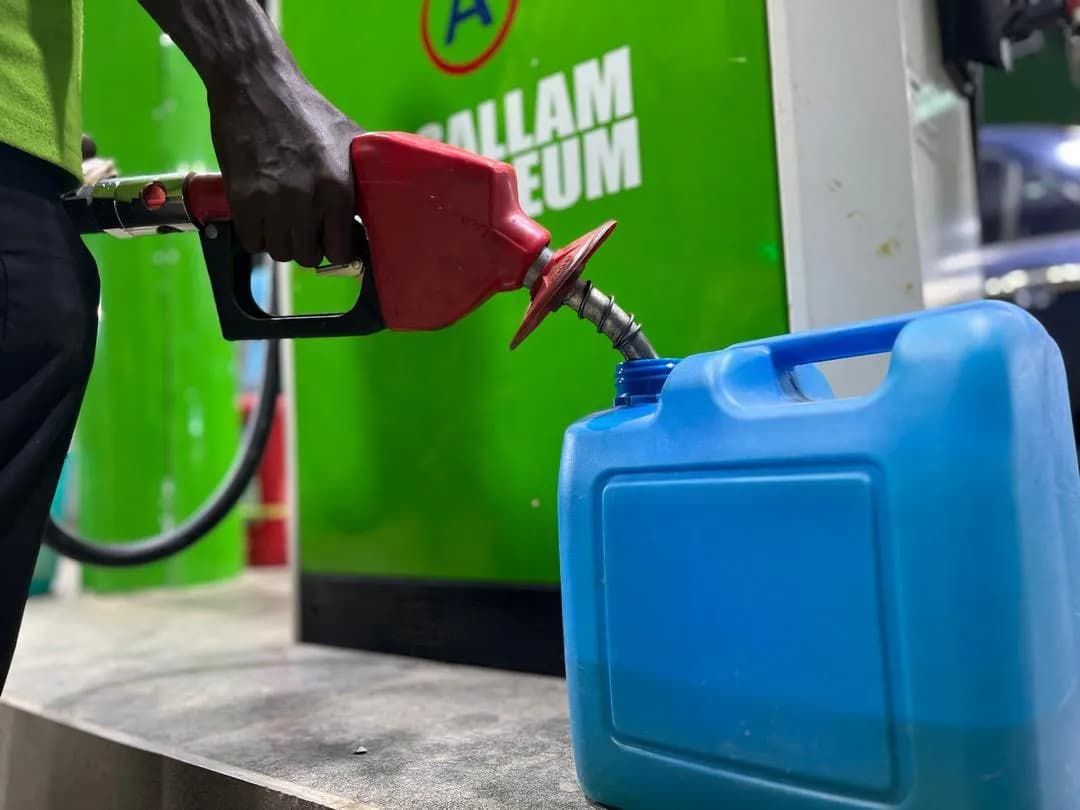
Despite the known health and environmental hazards associated with kerosene use, many Nigerians persist in relying on this fuel for cooking and lighting. This enduring dependence is primarily driven by economic and financial challenges, alongside infrastructural deficits and policy inconsistencies.
Economic and Financial Challenges
A significant portion of Nigeria’s population lives below the poverty line, limiting their access to cleaner, albeit more expensive, energy alternatives. Kerosene, though hazardous, remains one of the most affordable and accessible options for low-income households. The removal of subsidies on household kerosene has further strained these families, compelling them to continue its use despite market-driven price increases.
Infrastructural Deficits
Nigeria’s energy infrastructure is inadequate, with an estimated 84% of households lacking access to quality cooking and lighting fuels. This scarcity forces many to rely on traditional biomass and kerosene, as modern energy solutions are either unavailable or unaffordable.
Policy Inconsistencies and Subsidy Issues
The Nigerian government’s approach to fuel subsidies has been inconsistent, often exacerbating the challenges faced by the populace. While subsidies on petrol have persisted, benefiting wealthier households, subsidies on household kerosene predominantly used by the poor have been removed. This policy disparity has increased the financial burden on low-income families, leaving them with limited energy choices.
Health and Environmental Implications
The continued use of kerosene poses significant health risks, including respiratory issues and increased fire hazards. Environmentally, it contributes to indoor air pollution and greenhouse gas emissions. Despite these dangers, economic constraints and lack of access to cleaner alternatives compel many Nigerians to persist in its use.
Addressing the persistent use of kerosene in Nigeria requires a multifaceted approach, including economic empowerment, infrastructural development, and consistent energy policies that prioritise the needs of low-income households. Without such interventions, the cycle of dependence on hazardous energy sources is likely to continue, with detrimental effects on public health and the environment.